terça-feira, 13 de outubro de 2009

Catching the Wind in rural Malawi

From the blustery plains of Texas to the Danish island of Samsø, wind power—and the giant, bladed towers that generate it—is all the rage in a warming world searching for cleaner sources of energy. Fourteen-year-old William Kamkwamba had never heard of windmills, or climate change, for that matter, when he stumbled across a photograph one day and it changed his life forever.

Now 22, Kamkwamba has become something of an international DIY celebrity: He’s spoken at the World Economic Forum, at the Aspen Ideas Festival, and at TED Global—twice. He’s chatted with Al Gore, Bono, and Larry Page. A documentary about his life is currently in the works. But Kamkwamba’s story isn’t really about stardom: It’s about the grit, resourcefulness, and audacity of a young engineer who built a windmill from scrap in his native Malawi and brought power to his home—and eventually lit up every house in the village. It’s told in brilliant detail in The Boy Who Harnessed the Wind (out now from William Morris), co-authored with journalist Bryan Mealer. Seed editor Maywa Montenegro spoke with Kamkwamba while he was in New York City kicking off a US book tour.

Seed: How did you first get the idea to build a windmill?
William Kamkwamba: In 2001, there was drought in Malawi so many people didn’t have enough food. Starting in November, people began starving to death. It was the same year I was supposed to start high school, but in Malawi you pay school fees. My parents couldn’t manage to pay the fees so I was forced to drop out.

In order to keep up with my friends who were going to school, I decided to start reading books at the library. When I was reading, I came across a book that had a picture of a windmill. I thought maybe if I try to build one of these machines, I will be able to pump water for irrigation and then my family would no longer have to go through this hunger problem.


Seed: So the library book provided the design instructions?

WK: The book did not explain how to build the windmill. It just said a windmill could pump water and generate electricity. I had to form my own design. I had a basic idea of how electromagnets work, in terms of a radio motor and a bicycle dynamo—a small generator that attaches to a bicycle wheel. When somebody pedals and rotates the wheel, it generates electricity.

Also, when I was much younger, I used to play with pinwheels. So when I saw the windmill in the book, the idea of the pinwheel suddenly connected with the bicycle dynamo. I said, I think I can build a big pinwheel to generate electricity.


Seed: Can you describe the basic assembly? Where, for instance, did you manage to find windmill parts and construction tools?
WK: My former secondary school used to be a garage; when the garage people left, they gave the place to the minister of education, who turned it into a school. The junkyard is still there, though, so I went there to collect materials. For instance, I discovered a tractor fan and decided it was good for my rotor. A shock absorber was perfect for my shaft. And for blades, I used the plastic pipe from my aunt’s bathhouse. I cut it down the center with a bow saw and held it over a small fire until it melted. Before it cooled, I pressed it flat. For the frame, I used my father’s old bicycle.

As for tools, I didn’t have proper tools or the money to buy them. So for hammers, I used pieces of metal I found at the scrap yard or my father’s spanner—what you call a wrench. For a drill, I had to heat a big nail over a fire and push it through the plastic blades. Drilling through wood took many hours. I also had no washers, so I used beer bottle caps I found outside the Ofesi Boozing Center in Wimbe and poked a hole through them, then pounded them flat.


Diagram courtesy of WORKSHOP NYC for Moving Windmills Project


Essentially, the windmill operated the same as a bicycle: The blades were like pedals, but instead of a person pedaling them, it was done by the wind. When the blades spun, it turned the sprocket and chain on the bike, which turned the back tire. There, I’d attached a small bicycle dynamo that worked as my generator. A wire leads from the dynamo down to a small bulb in my roof.

Seed: What did the other villagers think you were doing with this scrap yard junk?

WK: When I started working on the windmill, people were laughing at me; they thought I was going crazy. It wasn’t normal for somebody to build a machine—especially a machine that people from my area don’t recognize. Also, I was going to a junkyard, collecting material. People put these two things together and thought that maybe I was smoking marijuana.

But once I managed to make the windmill I was very happy. It proved to people that what I was doing wasn’t something crazy—it was something useful. The same people started to appreciate what I did: They came with their mobile phones to charge them at my windmill.


Seed: What were the first things you did with this new electricity?
WK: I put a light bulb in my room. It was such a great experience—I didn’t sleep! Normally I went to bed around 7 pm, but I stayed up late, just looking at my light bulb, lighting up everything. I thought, Wow. I am living like people in urban areas, where they have electricity. The next step was to put light bulbs in my parent’s house.

Seed: That’s incredible. So suddenly instead of going to bed at dusk, you could actually be productive—read and study—in the evening. Were you eventually able to return to school?

WK: I stayed home for four years. At the library, I continued checking out Using Energy—the book with the picture of the windmill. One day when I went to check it out, the librarian asked me, “Why are you always checking out the same book?” I explained to her that it was helping me build a windmill. She was interested and said she would come to my place to see it for herself. After she came and saw the windmill, she said she was going to tell her bosses—people from the Malawi Teacher Training Activity (MTTA). They were also interested, and after they came to see it, they said, “We are going to come again with some journalists.” And then the journalists wrote an article about the windmill and about me.

Then many things happened at once. The people of the MTTA started organizing to put me back in school. That was tough—no school wanted to place me on account of my old age and number of years I had been a drop out. But finally I was accepted at Madisi Secondary, a public boarding school an hour from my home. Though it wasn’t one of the science-oriented schools I had been hoping for, I was very happy to return to my studies.

Then someone in the capital city of Malawi saw the newspaper article and put it on his blog. When he did that, Emeka Okufar—who works at TED and was inviting people to attend the TED conference—saw it. Mr. Okafur tracked me down and invited me to attend TED Global in Arusha.

At the same conference, I met the founder of the African Leadership Academy, a school in Johannesburg. I applied and was accepted to his school. That’s where I am right now.

Seed: Your trip to Arusha for TED Global brought a lot of “firsts.”

WK: It was the first time I saw the internet, the first time I flew in an airplane, the first time I slept in a hotel—everything was the first time. When Tom Rielly, the community director of TED, showed me Google, the first thing I did was search “windmills.” I found more than 1 million designs and any kind of information I could have needed to build my windmill! I thought, wow, this is the big source for everything. If I had had this, I could have built my windmill much more easily.

Seed: But instead you did it with just a picture, some scrap yard junk, and a big idea. Which makes me think about an article I’ve just read: In the Guardian, John Vidal wrote: “Kamkwamba is presented to the west as the ‘humble hero,’ an extraordinary Malawian who has overcome everything to improve his family’s situation, but the reality is that most of Africa, India, and the developing world depends on equally innovative and inventive people coming up with ways to make a living with no cash and next to no resources.” Do you think poverty might have an ironic upside in that it forces ingenuity?

WK: If you have everything you need, like water and electricity, there’s no reason to go looking through garbage heaps like I did. Still, I don’t think that wealthier people are lazy; it’s just they have never had to survive. Having this problem makes you very creative.

Seed: Where do you plan to take your creativity in the future?
WK: Right now I just want to finish my education. From there, I will see about jobs. I know I want to continue working on renewable energy. Apart from this, I’m also planning to design a machine that drills boreholes. Most people in my area have no access to clean water. There is water in the ground, but they lack a means of getting it. So I’m designing the machinery to drill boreholes, and I plan to use the power from the windmill to pump the water. Then people can start irrigation and have access to clean drinking water.

Seed: Have you visited any of the large wind projects in the US?

WK: Yes. I went to Palm Springs to see the big commercial windmills. It was amazing when I found out they were generating—about 600 megawatts. That’s more power than we use in all of Malawi.

Seed: Now that you have traveled around the world seeing giant wind farms, giant cities, and giant celebrities, is it hard to readjust to life in your home village?

WK: Yes…but not too bad. I’m in South Africa at school all the time and that’s a pretty modern place with internet and soccer games on television. Of course, I always like being home, but it’s impossible to compare America or the UK to my village. They are so different, and that’s why I love them. But I’m missing my home right now, especially my mother’s nsima and fish. My mother is a very good cook.


Read William Kamkwamba’s blog, see photos and videos of the windmill on Flickr, and follow him on Twitter at wkamkwamba. Front page photograph of windmill detail by Tom Rielly.

Limpar Portugal?


segunda-feira, 12 de outubro de 2009

Finalmente, num país que se pretende desenvolvido

Lisboa, 12 Out (Lusa) - A exibição de animais nos circos tem os dias contados com a publicação de uma lei que proíbe a compra de novos macacos, elefantes, leões ou tigres e que impede a reprodução dos animais já detidos pelos circos.


A portaria 1226/2009, publicada hoje e que entra em vigor na terça-feira, divulga uma lista de espécies consideradas perigosas, pelo seu porte ou por serem venenosas, que só podem ser detidas por parques zoológicos, empresas de produção animal autorizadas e centros de recuperação de espécies apreendidas.

Os circos não fazem parte da lista de excepções, assim como as lojas de animais, que também ficam proibidas de vender cobras de grande porte ou venenosas, algumas aranhas ou lagartos.
RTP

domingo, 11 de outubro de 2009

The best books for the youngest readers

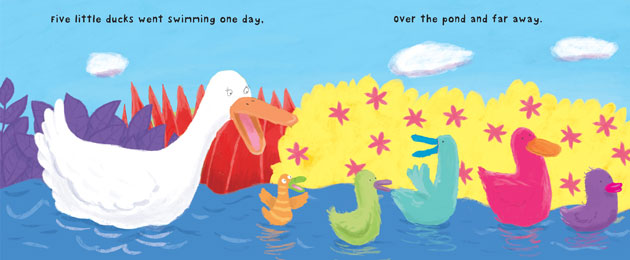
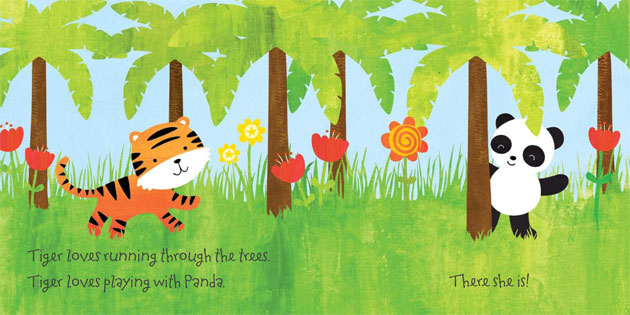
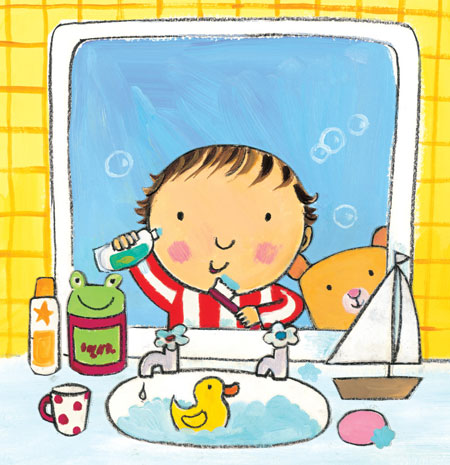
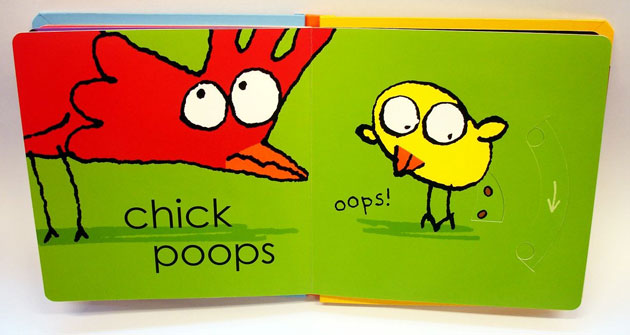
Booktrust's Early Years awards celebrate the best picture books. This year there are awards in three categories: baby book; pre-school; and best emerging illustrator. Here's a glimpse of the books shortlisted for each.
Five Little Ducks
by Francesca Stich & Jemima Lumley,
illustrated by Jason Chapman


Baby Loves: Tiger
by Claire Dowe


The Big Night-Night Book
by Georgie Birkett

Chick by Ed Vere
(winner of the Baby Book Award)


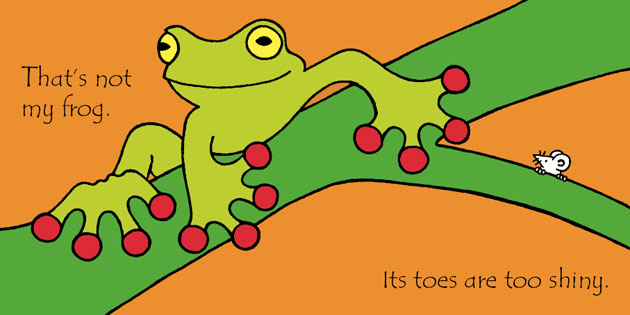
That’s Not My Frog… by Fiona Watt, illustrated by Rachel Wells


Baby’s Very First Outdoors Book
by Stella Baggott


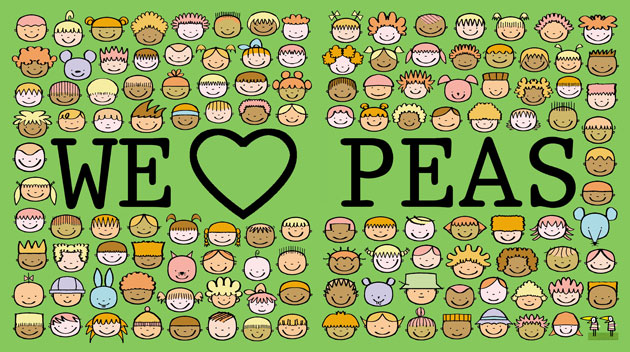
Peas! by Andy Cullen,
illustrated by Simon Rickerty 
(Best emerging illustrator award shortlist)


The Guardian

sábado, 10 de outubro de 2009

Concerto para Bebés: Sons para Bebés Surdos


CONCERTO PARA BEBÉS: SONS PARA BEBÉS SURDOS
Um projecto de Paulo Lameiro

Solista Convidado: Sérgio Nogueira
Instrumento: Multi-Percussões


O som é tão precioso ao ser humano que usa múltiplas formas de se fazer ouvir. Em Outubro vamos ter um concerto a pensar nos bebés e crianças que ouvem os sons “por dentro”. Por isso escolhemos as percussões, e em especial algumas percussões graves, para nos ajudarem a sentir a música com o corpo todo. Vai ajudar-nos o percussionista Sérgio Nogueira, mas também todos os adultos que envolverão os seus bebés em grandes balões!
Surpresa…

Os Concertos para Bebés são uma produção portuguesa pioneira no domínio das artes performativas para a primeira infância. Tiveram início em Novembro de 1998 numa cidade no centro de Portugal, Leiria, e é seu autor o professor e musicólogo Paulo Lameiro. Têm a sua origem no trabalho com bebés desenvolvido pela Escola de Artes SAMP, desde 1991, no programa Berço das Artes e são fortemente inspirados pela Teoria de Aprendizagem Musical do professor e pedagogo norte-americano Edwin Gordon.
Depois de percorrerem as principais salas de concerto portuguesas são actualmente projectos residentes no Centro Cultural Olga Cadaval, em Sintra, no Teatro Miguel Franco, em Leiria, e na Casa da Música, no Porto, onde se apresentam com 70 concertos anuais.


Indicado para crianças dos 3 meses aos 3 anos

Preços
Adulto + bebé até 18 meses (40 lugares em almofadas): 12,50 euros
Adulto + bebé dos 19 aos 47 meses (30 lugares em almofadas): 12,50 euros
Público com mais de 47 meses (lugares em cadeiras): 10,00 euros 
Sem Descontos.

Aos bebés até aos 47 meses só será permitida a assistência com bilhetes de almofada.

Fora de Lisboa, pois então: Festa da Marioneta


sexta-feira, 9 de outubro de 2009

Great fairytales


Starting this weekend in the Guardian and the Observer, Great fairytales brings you the finest stories of morality, justice, triumph and enchantment from around the world, collected in seven themes: Wicked parents, Rags to riches, Love, Quests and riddles, Wisdom and folly, Justice and punishment and Beastly tales.
The stories are all nominated by a panel of critics, writers and experts on children's literature: Anthony Browne, AS Byatt, Abdulrazak Gurnah, Robert Irwin, Alison Lurie, Adam Phillips, Philip Pullman, Salman Rushdie and Marina Warner.
Each collection is beautifully illustrated and includes an afterword from a range of leading writers exploring each theme.
Begin on Saturday with Wicked Parents which features Hansel and Gretel, Snow White and The Tale of the Juniper Tree.


quinta-feira, 8 de outubro de 2009

O leão Christian em livro e em Português (edit)


Já aqui tínhamos postado sobre Christian,
e agora divulgamos também a sua história
em livro traduzido para Português.

Tradução de Manuela Madureira
para a Editorial Presença

segunda-feira, 5 de outubro de 2009

Le Roi et l'Oiseau, de Jean Grimault

(legendas em inglês)

Parte 1:


Parte 2

Parte 3

Parte 4

Parte 5

Parte 6

Parte 7

Parte 8

Parte 9 e final

La Maison en Petits Cubes, de Kunio Kato, Oscar for Best Animated Short Film 2009

Part 1:


Part 2:

Saki em castelhano


Diz-nos Alba Marina Rivera, a ilustradora:

El contador de cuentos has been awarded the 2009 BolognaRagazzi Award for New Horizons. The Ragazzi Award is among the most prestigious international awards conferred each year in the world of children’s book publishing.
NEW HORIZONS WINNER
EKARÉ – Caracas, Venezuela
EL CONTADOR DE CUENTOS
text by Saki, illustrations by Alba Marina Rivera
The Jury first of all considered the courage shown by illustrator Alba Marina Rivera in tackling Saki’s little masterpiece, one of the most acute and disturbing modern short stories ever. Despite the daunting task, the illustrator shows no inhibitions, uncertainties, doubts or fears. Rather she portrays the many emotions in the story – shock, irony, boredom, disgust and expectation – with masterly strokes, capturing with great visual clarity the atmosphere that reigns in the railway carriage. For this is the scene of a veritable clash between two educational concepts, two moral options and perhaps indeed two worldviews. The aunt, storyteller and children are drawn with allusive elegance, the emotional undercurrents of each scene clearly visible. With her exquisite line work, the illustrator places Saki’s storyteller firmly in the realms of the fantastic. The innovative yet elegant book jacket completes a wholly enjoyable visual presentation.
Graças ao Papel de Lustro, outra vez ;)

Tantos prazeres num só objecto...

Jacques Prévert, animação, a língua italiana, a natureza...


Graças a Papel de Lustro

Livros e Bichos

Os animais são o tema mais constante e universal da literatura para crianças. Fazem coisas que não estão ao alcance das personagens humanas, eliminam estereótipos raciais e sociais, acolhem com segurança as emoções infantis. Neles reconhecemos as nossas origens e lembramos essa linguagem ancestral em que o instinto se fazia ouvir. 
Na Revista Notícias Magazine de ontem, Aprender com Manawee, de Carla Maia de Almeida, de cujo blogue retiro capas de livros recomendados, que ainda não temos cá em casa e que queremos ter ;)
E sublinho uma expressão que vamos adoptar como nossa, animais da espécie inventada :)


Os Animais Fantásticos
José Jorge Letria (texto)
André Letria (ilustrações)
Ambar

O centauro, o dragão, a salamandra, o lobisomem, a serpente marinha, o ogre, o ciclope… Estes animais (ou quase animais) são da espécie inventada e também têm as suas histórias para contar. Sem dúvida, um dos melhores livros da dupla Letria, pai e filho. 

terça-feira, 29 de setembro de 2009

sábado, 26 de setembro de 2009

quinta-feira, 24 de setembro de 2009

Happy Birthday, Daddy ;)


Baby Echidna


Djumba the echidna celebrates her first birthday at the Healesville Sanctuary in Victoria, Australia

Telegraph

Breastfeeding ;)


All Creatures [great and small]

segunda-feira, 21 de setembro de 2009

The days when children were taught to write properly are long gone. Does it matter? Yes, says Umberto Eco

Recently, two Italian journalists wrote a three-page newspaper article (in print, alas) about the decline of handwriting. By now it's well-known: most kids – what with computers (when they use them) and text messages – can no longer write by hand, except in laboured capital letters.
In an interview, a teacher said that students also make lots of spelling mistakes, which strikes me as a separate problem: doctors know how to spell and yet they write poorly; and you can be an expert calligrapher and still write "guage" or "gage" instead of "gauge".
I know children whose handwriting is fairly good. But the article talks of 50% of Italian kids – and so I suppose it is thanks to an indulgent destiny that I frequent the other 50% (something that happens to me in the political arena, too).
The tragedy began long before the computer and the cellphone.
My parents' handwriting was slightly slanted because they held the sheet at an angle, and their letters were, at least by today's standards, minor works of art. At the time, some – probably those with poor hand- writing – said that fine writing was the art of fools. It's obvious that fine handwriting does not necessarily mean fine intelligence. But it was pleasing to read notes or documents written as they should be.
My generation was schooled in good handwriting, and we spent the first months of elementary school learning to make the strokes of letters. The exercise was later held to be obtuse and repressive but it taught us to keep our wrists steady as we used our pens to form letters rounded and plump on one side and finely drawn on the other. Well, not always – because the inkwells, with which we soiled our desks, notebooks, fingers and clothing, would often produce a foul sludge that stuck to the pen and took 10 minutes of mucky contortions to clean.
The crisis began with the advent of the ballpoint pen. Early ballpoints were also very messy and if, immediately after writing, you ran your finger over the last few words, a smudge inevitably appeared. And people no longer felt much interest in writing well, since handwriting, when produced with a ballpoint, even a clean one, no longer had soul, style or personality.
Why should we regret the passing of good handwriting? The capacity to write well and quickly on a keyboard encourages rapid thought, and often (not always) the spell-checker will underline a misspelling.
Although the cellphone has taught the younger generation to write "Where R U?" instead of "Where are you?", let us not forget that our forefathers would have been shocked to see that we write "show" instead of "shew" or "enough" instead of "enow". Medieval theologians wrote "respondeo dicendum quod", which would have made Cicero recoil in horror.
The art of handwriting teaches us to control our hands and encourages hand-eye coordination.
The three-page article pointed out that writing by hand obliges us to compose the phrase mentally before writing it down. Thanks to the resistance of pen and paper, it does make one slow down and think. Many writers, though accustomed to writing on the computer, would sometimes prefer even to impress letters on a clay tablet, just so they could think with greater calm.
It's true that kids will write more and more on computers and cellphones. Nonetheless, humanity has learned to rediscover as sports and aesthetic pleasures many things that civilisation had eliminated as unnecessary.
People no longer travel on horseback but some go to a riding school; motor yachts exist but many people are as devoted to true sailing as the Phoenicians of 3,000 years ago; there are tunnels and railroads but many still enjoy walking or climbing Alpine passes; people collect stamps even in the age of email; and armies go to war with Kalashnikovs but we also hold peaceful fencing tournaments.
It would be a good thing if parents sent kids off to handwriting schools so they could take part in competitions and tournaments – not only to acquire grounding in what is beautiful, but also for psychomotor wellbeing. Such schools already exist; just search for "calligraphy school" on the internet. And perhaps for those with a steady hand but without a steady job, teaching this art could become a good business.

sexta-feira, 18 de setembro de 2009

Seven not-so-secret secrets for parenting girls


Secret #1: Brand Early
Children are what we say they are. Begin now to take every opportunity to inform your daughter of her strengths. She will view herself as you view her. Send messages of self-confidence and heartiness.
Secret #2: Promote Independence
Encourage your daughter to do for herself and to try new challenges. Continue to send messages of strength. She will grow to learn that she is capable of doing anything.
Secret #3: Promote Thinking
Parents have a responsibility to teach their daughters to think. Ask them questions. By questioning, praising, and probing you will help your daughter sharpen her ideas, refine her thinking, learn to express her opinions, value her intelligence and achieve more.
Secret #4: Promote Learning
No matter what a girl's age it's important to encourage her to learn. Read together about important things. Read about active, hearty females. Read about women inventors, artists, and writers. Read about women in leadership. Read about some great women role models here and here.
Secret #5: Promote Education
Do not allow your daughter the opportunity not to choose education. Frame your conversations with her about her future with expectations of higher education. Teach early that college follows high school. Enough said.
Secret #6: Promote Open Career Options
Show your daughter that females can and do select careers in all fields. Point this out whenever you can. Let your daughter know that she can choose what she wants to do. Encourage math and science fields. Read about women in these fields.
Secret #7: Promote Awareness
Help your daughter become aware of gender bias. Girls need to recognize it in order to respond to it.
Read more in the e-book and in Wojtalik's emails which you can also sign up for when you download the e-book here.
 

A synopsis by Ode Magazine

domingo, 13 de setembro de 2009

Why won't feminists admit the pleasure of infants?

 In the six weeks since my baby was born, I seem to have lost all worldly ambition. I can think about September, when I am supposed to go back to work, only with dread. I have a class to teach. I have to start writing again. But the idea of talking about ideas in front of students or typing a coherent sentence (i.e., my normal life) seems totally implausible. Even now, the prospect of writing a few paragraphs about this problem seems almost out of reach. Taking care of the baby—physical, draining, exhilarating—is more like farming: following the rhythms of the earth, getting up at dawn, watching the corn flush in the sunrise. It is not at all like writing.
(...)
People often compare having a new baby to the early days of a love affair, which is true as far as it goes, but one’s physical fixation on, and craving for, a newborn is much stronger and more intense that that. How often in a love affair can you literally find yourself in tears because you were away from a man for three hours?

Read all at Double X

Little Red Riding Hood / O Capucinho Vermelho

Popular fairy tales and folk stories are more ancient than was previously thought, according research by biologists.
They have been told as bedtime stories by generations of parents, but fairy tales such as Little Red Riding Hood may be even older than was previously thought.
A study by anthropologists has explored the origins of folk tales and traced the relationship between varients of the stories recounted by cultures around the world. 
The researchers adopted techniques used by biologists to create the taxonomic tree of life, which shows how every species comes from a common ancestor.
Dr Jamie Tehrani, a cultural anthropologist at Durham University, studied 35 versions of Little Red Riding Hood from around the world.
Whilst the European version tells the story of a little girl who is tricked by a wolf masquerading as her grandmother, in the Chinese version a tiger replaces the wolf.
In Iran, where it would be considered odd for a young girl to roam alone, the story features a little boy.
Contrary to the view that the tale originated in France shortly before Charles Perrault produced the first written version in the 17th century, Dr Tehrani found that the varients shared a common ancestor dating back more than 2,600 years.
He said: “Over time these folk tales have been subtly changed and have evolved just like an biological organism. Because many of them were not written down until much later, they have been misremembered or reinvented through hundreds of generations.
“By looking at how these folk tales have spread and changed it tells us something about human psychology and what sort of things we find memorable.
“The oldest tale we found was an Aesopic fable that dated from about the sixth century BC, so the last common ancestor of all these tales certainly predated this. We are looking at a very ancient tale that evolved over time.”
Dr Tehrani, who will present his work on Tuesday at the British Science Festival in Guildford, Surrey, identified 70 variables in plot and characters between different versions of Little Red Riding Hood.
He found that the stories could be grouped into distinct families according to how they evolved over time.
The original ancestor is thought to be similar to another tale, The Wolf and the Kids, in which a wolf pretends to be a nanny goat to gain entry to a house full of young goats.
Stories in Africa are closely related to this original tale, whilst stories from Japan, Korea, China and Burma form a sister group. Tales told in Iran and Nigeria were the closest relations of the modern European version.
Perrault’s French version was retold by the Brothers Grimm in the 19th century. Dr Tehrani said: “We don’t know very much about the processes of transmission of these stories from culture to culture, but it is possible that they may being passed along trade routes or with the movement of people.”
Professor Jack Zipes, a retired professor of German at the University of Minnesota who is an expert on fairy tales and their origins, described the work as “exciting”. He believes folk tales may have helped people to pass on tips for survival to new generations.
He said: “Little Red Riding Hood is about violation or rape, and I suspect that humans were just as violent in 600BC as they are today, so they will have exchanged tales about all types of violent acts.
“I have tried to show that tales relevant to our adaptation to the environment and survival are stored in our brains and we consistently use them for all kinds of reference points.”
Telegraph

quarta-feira, 9 de setembro de 2009

Rule #56: Join Forces With the Monster Under the Bed


Every parent needs an ally, and there’s no better source of unknown evil to a toddler or small child than the monster under the bed.

Use this sinister source to your advantage when trying to sway your child to follow any of your home’s random rules that, truth be told, most children with the brain function of a parsnip wouldn’t bother following anyway.

But that’s not the point.

The point, as we see it in our long-term, tainted-by-Donnie-Darko worldview, is to break your child’s will and foment the beginnings of rampant paranoia that will one day have him scampering up trees like a feral tabby when any sign of danger approaches your home.


Just lay low for now, and if he's still awake after 10, just crawl out and lick his hand or something.

Just lay low for now, and if he's still awake after 10, just crawl out and lick his hand or something.


This Ain’t No Monsters Inc. Joy Ride, Kid

The key to using the monster under the bed is to pretend he’s sort of like your old college roommate. You’re close to him. There’s nothing you wouldn’t do for each other, only unlike your college roommate, the monster has it in for your kid.

So, you’ll say things like, “Justin, so…like, I was having a beer with the Monster last night, and he was talking trash about you—like how he wants to rip off your head and toss it to his wolf friends he invited to hang out in our back yard.

But I was like, ‘Monster dude, we’ve known each other a long time, and while I know you want to seriously hurt Justin’s head, he’s actually pretty cool. So what can I do to get you not to feed his head to the wolves that are in our back yard?’”

And, of course, the monster under the bed will request that Justin better damn well learn how to use the potty because it’s getting really old smelling his crappy diapers and, oh, while Justin is into personal development, the monster also would like him to sleep with the lights off and polish the rims on your new Escalade.

See how this can help your life tremendously? Your son shapes up, and you gain an imaginary drinking buddy.


Theres a lot of other great advice on this website: http://www.reallybadparentingadvice.com/

Funny, even if you don't have kids...

Partly Cloudy disponível outra vez ;)


Cliquem e maravilhem-se ;)

Ideias Muito Giras: Torre de Belém, dia 20 de Setembro

VEM CONHECER A TORRE


TORRE DE BELÉM
Avenida Brasília - Lisboa
213 620 034
E-mail

Site

VEM CONHECER A TORRE
Visita Jogo
Após a visita orientada à Torre de Belém, as famílias completam um puzzle de grandes dimensões do monumento, solucionando pequenos jogos relacionados com os diferentes espaços visitados. No final fazem uma actividade de recorte e colagem em que criam a sua própria torre em papel.
Obs.: nº máximo de 30 pessoas.

20 Set.: 10h-13h

Idade
Preço
criança/adulto
Sem
Pais
Acesso
Fácil
MPrévia
Restauração
MB
3-12
2€/4€
não
sim
sim
não
não


Estrelas e Ouriços

sábado, 5 de setembro de 2009

Temos um na vizinhança

E como ainda será considerado exótico, só o conhecia do seu «lugar de origem», Zimbabué ;)


O cão raça Ridgeback, that is ;)
Embora o porquinho seja uma delícia ;)
(eu não como carne...)

sexta-feira, 4 de setembro de 2009

quinta-feira, 3 de setembro de 2009

16 livros irresistíveis para iniciar os seus filhos na leitura

Depois de um post em inglês
e sobre livros em
inglês,
aqui vai a nossa lista ;)


Os escritores Alice Vieira, Ana Maria Magalhães, Luísa Fortes da Cunha e Álvaro Magalhães recomendam leituras que prometem agarrar as crianças da primeira à última página. As idades são indicativas, os títulos uma escolha subjectiva mas conhecedora. (i online)

A partir dos 4 anos


Versos de Fazer ó-ó
José Jorge Letria e André Letria
Editora: Terramar
Ano: 1999
Preço: €12,47
“Há uma fada azul marinho/ Com varinha de condão/ Que põe pós de magia/ Nos olhinhos do João/ Quando o sonho de mansinho/ Já o leva pela mão”. Este é apenas um dos mais de 20 poemas de embalar que encontrará nesta espécie de arma secreta para lidar com crianças enérgicas. Com tantas referências a “ó-ó”, “soninho”, “pestana” e por aí fora, o risco será adormecer também os graúdos. Venceu o Prémio Nacional de Ilustração.

Livro com Cheiro a..., Alice Vieira
Editora: Texto Editores
Ano: desde 2005
Preço: €12,99
Um cheira a caramelo, outro a morango, outro ainda a chocolate e há um quarto de baunilha. Cada um inclui vários contos, em que Alice Vieira brinca com as palavras, com a gramática e com a acentuação. Estes “livros com cheiro” são “um apelo aos sentidos”, diz Luísa Fortes da Cunha, que os recomenda para crianças de cinco, seis e sete anos. O próximo deverá ser um livro com cheiro a ananás.

A partir dos 6 anos

Canta o Galo Gordo
Inês Pupo e Gonçalo Pratas
Editora: Caminho
Ano: 2009
Preço: €12,90
Do primeiro dia de aulas a seguir ao Natal, passando pelo São Martinho, este título sugerido por uma das criadoras da série “Uma Aventura”, Ana Maria Magalhães, inclui poemas para todas as épocas do ano. “Pode ser lido com o professor, com os pais ou ouvido no carro”, diz. Isto, porque contém um CD com todos os textos. Indicado para crianças “no fim do infantário e no princípio da escolaridade”.

As Andanças do Senhor Fortes
António Mota
Editora: Gailivro
Ano: 2000
Preço: €9,45
“Comerciante de coisas finas, delicadas, que transportava na sua mala, o solitário senhor Fortes resolve deixar a cidade”, diz o livro. Parte para a aldeia, onde a amizade com um pastor os vai levar a uma “extraordinária aventura”. A obra é uma espécie de sucesso instantâneo entre os mais pequenos. “Já fiz a apresentação deste livro para miúdos do 2.º e do 3.º ano e eles adoraram”, garante Luísa Fortes da Cunha.

A partir dos 8 anos

As Aventuras de Joanica-Puff
A. A. Milne
Editora: Terramar
Ano: 1926
Preço: €6,28Não só “um clássico da literatura”, mas também “um dos melhores livros de sempre, que pode ser lido muitas vezes, como se fosse sempre a primeira”, diz Álvaro Magalhães. Desde 1926 já terão sido vendidos 70 milhões de exemplares. “Em tempos violentos e incertos, Puff, com a sua sabedoria desconcertante e terra-a-terra, representa a melancolia de um mundo simples e seguro, onde nada terrível pode acontecer.”

A História Interminável (check!)
Michael Ende
Editora: Presença
Ano: 1979
Preço: €20

Qualquer leitor “se fecha num qualquer lugar para poder ler este livro sem interrupções ou entraves, apenas desejando, a cada página que passa, que ele não acabe nunca e seja, como o título promete, interminável”, assegura Álvaro Magalhães. A história de um rapaz que, “depois de viver a mais extraordinária das aventuras, descobre que o real e o imaginário” são “metades de uma totalidade mágica.”

Colecção Teodora
Luísa Fortes da Cunha
Editora: Presença
Ano: desde 2002
Preço: €8
Diz a tradição popular que a sétima filha de um casal se transforma em fada aos 12 anos. Assim nasce a história da Fada Teodora, que vive grandes aventuras com os amigos. “Explora o filão criados pelos livros do Harry Potter mas com um toque diferente”, salienta Alice Vieira. Em pouco mais de sete anos, Fortes da Cunha criou e escreveu sete títulos daquela que já é uma das mais bem- -sucedidas colecções na área.

Colecção Os Primos
Mafalda Moutinho
Editora: Dom Quixote
Ano: desde 2007
Preço: €7,75
As crianças gostam de livros de aventuras, que as prendam do princípio ao fim. A título de exemplo, Luísa Fortes da Cunha sugere esta colecção com três personagens reais: as irmãs Ana e Maria Torres e o primo André. Como são filhas de um embaixador, as manas passam a vida a viajar. Muitas vezes convidam o primo e acabam em cenários tão sugestivos como o Egipto, a China ou a Jordânia, a resolver suculentos mistérios.

A partir dos 10 anos

A Ilha do Tesouro (check!)
R. L. Stevenson
Editora: Relógio D’Água
Ano: 1883
Preço: €12
“Agarra o leitor pelo pescoço logo na primeira frase e lança-o, sem remédio, na aventura da leitura”, elogia Álvaro Magalhães. “Quando lemos a prosa de Stevenson, esquecemo-nos de que estamos a ler, que é o melhor que pode acontecer.” Alice Vieira concorda e acrescenta: “Mete muito medo, mas não é como aquele medo artificial dos feiticeiros. As crianças precisam de o sentir. Depois passa e é um grande alívio.”

A Menina do Mar (check!)
Sophia de Mello Breyner Andresen
Editora: Figueirinhas
Ano: 1958
Preço: €8,5

Um clássico da literatura portuguesa. Se pudesse, Alice Vieira recomendaria todos os livros da poetisa. Tendo de escolher um, prefere “A Menina do Mar”, a história escrita há mais de 50 anos sobre a amizade impossível entre um rapaz e uma menina que vive no fundo do mar. “Tem uma riqueza linguística fora de série. Há poucos adjectivos. É tudo muito substantivo”, justifica a escritora. “É extraordinário.”

O Sonhador (check!)
Ian McEwan
Editora: Gradiva
Ano: 1994
Preço: €11,50
Muitos pensam que Peter Fortune é um rapaz estranho. Calado, calmo (demasiado calmo, pensarão os adultos), vive nas nuvens. Mas ele é o único que sabe “o que é estar dentro do corpo de um gato, como desmascarar o rufião da escola ou tornar toda a família invisível”, conta Álvaro Magalhães. Peter vive num mundo imaginário. O primeiro livro para crianças de McEwan mostra, diz, uma “imaginação meticulosa e vibrante”.

Coração
Edmundo De Amicis
Editora: Bertrand
Ano: 1886
Preço: €8,98
Lembra-se da série de animação que contava as dramáticas aventuras de Marco? O pequeno órfão que comoveu a geração de 70 nasceu num conto deste livro. Não é por isso que Alice Vieira, depois de o ter comprado para os filhos, continua a oferecê-lo, mas sim por causa da “crença na bondade e na solidariedade” transmitida por este diário de um rapaz de 10 anos escrito no final do século XIX.

A partir dos 12 anos

Alice no País das Maravilhas (check!)
Lewis Carroll
Ano: 1865
Editoras e preços: Relógio D’Água, €14; Dom Quixote, €4,99 Leya, €5,95; Civ. Editora, €7
A máxima aplica-se a este e a todos os outros clássicos para crianças: ler uma e outra vez, mas sempre o original. Mesmo que a “versão Disney” pareça mais fácil, o melhor é não menosprezar as crianças. “Regra geral, retiram aquilo de que os miúdos gostam: a loucura, o nonsense”, defende Alice Vieira. “Este livro tem uma coisa rara, transgride-se tudo: na linguagem, na imaginação. A escrita é de grande qualidade.”

A Ilha do Chifre de Ouro
Álvaro Magalhães
Editora: Edições ASA
Ano: 1998
Preço: €13
“Prende-nos logo à acção. A linguagem é acessível e remete-nos para a fantasia, para outros mundos. Os miúdos gostam”, assegura Luísa Fortes da Cunha, que recomenda as obras de Álvaro Magalhães, o criador da série Triângulo Jota, aos jovens do 7.º ao 9.º anos. Ponto de partida: um distribuidor de pizzas e uma ruiva misteriosa vão parar a uma ilha que não vem nos mapas. Do mesmo autor: “O Último Grimm”.

Clarissa
Érico Veríssimo
Editora: Ambar
Ano: 1933
Preço: €18
“A minha neta está a lê-lo agora”, conta Alice Vieira. “Eu li-o em criança. Em parte, determinou ter começado a escrever.” Talvez por isso tenha a fotografia do autor, o brasileiro Érico Veríssimo, na mesa de trabalho. “Clarissa” conta a história do despertar para a vida de uma rapariga de 13 anos. “Pode ler-se hoje. Tem a ver com sentimentos”, diz Vieira. Infelizmente, está esgotado e a Ambar ainda não sabe se vai reeditá-lo.

As Aventuras de Tom Sawyer (check!)
Mark Twain
Ano: 1876
Editoras e preços: Edições Nelson de Matos, €13; Europa-América, €6,90

Mais um caso de transgressão pura. As crianças adoram. Do ponto de vista literário, “As Aventuras de Huckleberry Finn”, também de Twain, será melhor, diz Alice Vieira, mas “As Aventuras de Tom Sawyer” vence aos pontos com os jovens. Esta obra intemporal narra as peripécias de um rapaz desobediente e aventureiro no Sul dos EUA, ao longo das margens do Mississípi.

Como, quando e porquê: as estratégias dos especialistas para pôr as crianças a ler

A leitura é importante para o desenvolvimento das crianças?
Sem dúvida. É um pilar essencial da aprendizagem ao longo de toda a vida. Se o aperfeiçoamento da “competência de leitura” cabe à escola, defende a psicóloga educacional Isabel Festas, a construção do “prazer da leitura” compete aos pais. “Na vida, têm mais sucesso os que lêem mais, por gosto ou com objectivos específicos”, assegura outra psicóloga educacional, Dulce Gonçalves. O psicólogo Eduardo Sá vai mais longe: “quem não lê não sabe pensar, nem interpretar aquilo que sente.”

A partir de que idade?
O mais cedo possível. “Uma das chaves do sucesso é a leitura antes da aprendizagem”, garante Isabel Festas. “A leitura feita pelo adulto.” No entanto, não vale a pena tentar pôr os miúdos a ler antes dos primeiros anos de escolaridade. “Existe uma epidemia atípica em Portugal”, comenta Eduardo Sá. “Os pais acham que as crianças devem ser todas sobredotadas.” No final do 2.º ano, avança Dulce Gonçalves, “devem ser capazes de ler cerca de 60 palavras por minuto”.

Como podem os pais motivá-las?
Primeiro, lendo-lhes histórias. “O importante para as crianças é verem o brilho nos olhos de quem conta”, diz Eduardo Sá. Ao mesmo tempo, é preciso deixá-las folhear, brincar com o livro. Quando já sabem ler, deve-se optar pela leitura partilhada. “Ora lês tu, ora leio eu”, diz Dulce Gonçalves. Pode fazer-se da leitura um jogo, antecipar o final. “E depois ler e confirmar quem adivinhou ou descobriu”, avança a psicóloga. Nos adolescentes, as regras são outras. “É preciso provocá-los, desafiá-los”, avança. Um exemplo: um livro proibido. Os próprios pais têm de dar o exemplo. “Na infância aprendemos quase tudo por observação.”

O que não devem os pais fazer?
“O pior é dar a leitura como óleo de fígado de bacalhau”, começa Eduardo Sá. Ou seja, confundir o prazer com uma tarefa escolar. Os pais “não devem ter a preocupação de avaliar o entendimento que a criança tem do que leu”, sublinha Isabel Festas. Nem, acrescenta o psicólogo, obrigar os filhos a ler obras que não lhes agradem só porque são referências literárias. Importante é perceberem os interesses dos filhos e a partir daí seleccionar as leituras.

Existem livros desaconselhados?
“Aqueles que pareçam repetitivos, obrigatórios, com os quais não sentimos afinidade ou empatia”, adianta Dulce Gonçalves. Isabel Festas acrescenta: versões simplificadas de clássicos. Ao tentarem facilitar a leitura retiram à obra as características literárias mais prazenteiras.

Onde posso ler mais sobre este tema?
“Como um Romance”, Daniel Pennac (Edições ASA) (and check!)


Nesta casa há aqueles assinalados com check!,
tal é a vaidade :)