Mostrar mensagens com a etiqueta Nascer. Mostrar todas as mensagens

terça-feira, 17 de maio de 2011

Five Things Every New Mom Should Know

1. Know What's Normal
Question marks abound for new parents, so educate yourself about behaviors and traits that may seem unusual but are actually fairly common.

Here are a few examples:

  • Belly button popping out: This indicates an umbilical hernia; these usually resolve with no treatment.
  • Gooey eyes: These are due to blocked tears ducts and usually resolve around one year of age.
  • Back hair: Called "lanugo," this is shed soon after birth.
  • Shuddering and crossing eyes: These should go away by four to six months of age.
  • Hiccuping and sneezing: These don't necessarily indicate illness in newborns; they simply clear secretions.
2. How to Prevent Allergies and Obesity
If either parent has a history of asthma, allergies, or eczema, breastfeeding or feeding with a hypoallergenic formula may prevent or delay these conditions for the child. Recent findings also indicate increased risk of obesity when food is introduced before four months; Dr. Thebner recommends waiting four to six months to introduce food.

3. New Recommendations for Introducing New Foods
Be sure to read the latest research on introducing new foods to your child's diet, as recommendations have evolved over the years, in some cases dramatically. For example, conventional wisdom once dictated avoiding foods like eggs and peanuts during your baby's first few years of life, but it now appears that doing so will predispose your child to more food allergies.

4. Protect Baby from Disease
Get a flu shot before birth: It gives the baby some protection in utero and also reduces the risk that the baby will catch flu from you. In addition, you may want to consider the Tdap vaccine, a booster for tetanus and whooping cough, which can be fatal in babies.

5. Encourage Healthy Sleep Patterns
It's important to establish healthy sleep patterns early, so read up on sleep strategies before giving birth (while you still have the energy to read!). Dr. Thebner recommends "The Sleep Lady's Good Night, Sleep Tight" and "52 Sleep Secrets for Babies," both by Kim West.


Read more at Wholeliving.com: 5 Things Every New Mom Should Know 

quarta-feira, 6 de abril de 2011

Lilian Flor


Airy, Fairy Lilian,
Flitting, fairy Lilian,
When I ask her if she love me,
Claps her tiny hands above me,
Laughing all she can;

(...)


Alfred, Lord Tennyson

domingo, 2 de janeiro de 2011

Feliz Ano Novo - De Grávida a Mãe


[De quem é esta bela ilustração?]

O que acontece no corpo e na mente das mulheres desde o momento da concepção até ao primeiro fôlego do seu bebé. O determinismo dos genes, o poder do factores ambientais, dicas para viver uma gravidez tranquila e ter um bebé saudável. Uma obra para quem quer saber de amamentação, chuchas, fraldas e noites mal dormidas. O conhecimento é a melhor arma contra a insegurança, como explicam, com graça, Michael Roizen e Mehmet Oz.
Não tem nada que enganar. Basta um ovo, cem milhões de espermatozóides muito excitados e paixão q.b. para envolver o que ganhar a corrida. Depois, guarda-se no útero durante quarenta semanas e protege-se com uma boa dose de serenidade. Seguir estes passos é meio caminho andado para ter uma gravidez tranquila e um bebé saudável após o nascimento e durante toda a vida.
É mais ou menos assim que a famosa dupla Michael Roizen e Mehmet Oz começa o seu novo livro, YOU Vou Ter Um Bebé, o Manual de Instruções para Uma Gravidez Saudável e Feliz. Desta vez os médicos norte-americanos propõem-se ajudar as futuras mães a terem uma gravidez sem stress, um parto sem complicações e o bebé mais saudável do mundo. Desejos e anseios que dependem da informação e do conhecimento, da gestão do stress e da ansiedade e do apoio das pessoas que estão à volta das grávidas. O funcionamento do corpo, a alimentação, os enjoos e os apetites, a auto-imagem e o desejo sexual, a genética e a epigenética, enfim, tudo o que se passa na cabeça da mulher antes, durante e depois de trazer um bebé ao mundo: «Independentemente de ser a primeira ou a quarta, a gravidez é a coisa mais avassaladora do mundo. E a que gera maior conflito interno. Num momento está toda entusiasmada, completamente eufórica e impaciente pelo primeiro sorriso do seu bebé, o primeiro balbuciar, o primeiro abraço que lhe encherá a alma. No outro, sente-se ansiosa, cheia de incertezas perante o que se passa na sua barriga, se o pequenote está a crescer bem e se você vai conseguir viver sem dormir nada.» Para que nenhuma mãe «entre em parafuso», Roizen e Oz lembram que «o corpo da mulher está preparado para ter bebés de uma forma segura e eficaz. Não quer dizer que a viagem corra sempre às mil maravilhas, mas significa que tem tudo a seu favor. Se souber o que fazer para que a natureza siga o seu percurso natural, só aumenta as probabilidades de tudo correr bem». Ora vamos ver o que é que a espera, a si e ao seu bebé.
Post-its biológicos
Depois da batalha romântica, é a vez de os genes e o ambiente entrarem em acção. E ao facto de nascermos de «uma simples célula fertilizada e nos transformarmos nos milhares de milhões de células que compõem uma pessoa» Oz chama um grande milagre da natureza: «As células humanas contém 23 pares de cromossomas, as estruturas que contêm o nosso ADN, uma espécie de livro de instruções que diz ao corpo como se deve desenvolver.» Mas isto é só uma pequena parte da história, senão os gémeos idênticos, que têm exactamente o mesmo ADN, não desenvolviam traços diferentes, como acontece. O que está por detrás destas diferenças, explica a dupla médica, são os factores ambientais que, «muito provavelmente ainda no útero, influenciam a expressão dos genes». É a epigenética em acção.
E é a epigenética que nos torna únicos: «Os genes são como as receitas, são instruções para se criar uma coisa. Tanto a mãe como pai dão ao seu descendente uma cópia do enorme livro de receitas de cada um mas, no caso de muitos genes, só uma cópia de cada receita será usada pelo bebé. Por exemplo, os genes dos olhos são castanhos, azuis ou verdes e para esses genes só se expressa o gene do pai ou da mãe, ou seja, só uma cópia é activada, nunca as duas.»
O organismo humano é composto por cerca de 25 mil genes e contém cerca de duzentos tipos de células diferentes. Para que estas saibam quais os genes que lhes interessam - o da mãe ou o do pai -, «o corpo põe post-its biológicos, chamados etiquetas epigenéticas, em determinados genes para definir quais as receitas biológicas que vão ser usadas». Esta «rotulagem», explicam Oz e Roizen, «ocorre durante vários processos químicos mas, vejam só, «as acções da mãe durante a gravidez influenciam esses processos e determinam onde são colocados os post-its e quais os genes que serão expressos afectando, em última análise, a saúde do bebé».
Entendido porque é que os genes, só por si, não explicam a diversidade do nosso aspecto, comportamento e até a forma como nos desenvolvemos? «A forma como os genes são expressos tem um papel importantíssimo na imensa diferença que há entre nós e os macacos, com quem partilhamos 99,8 por cento do ADN, e nas óbvias e subtis diferenças entre dois seres humanos, embora tenhamos 99,9 por cento de ADN comum.»
Uma canção biológica
Agora que já sabe que os factores de stress do meio envolvente da mãe, incluindo a alimentação e o tabaco, provocam alterações nos padrões de expressão dos genes do feto, chegou a altura de explicitar os desafios que se colocam às mães. Sem culpabilidades, pois até há pouco tempo desconhecia-se o papel da epigenética antes do parto e, por outro lado, «podemos regular a actividade dos genes depois do nascimento - no caso da criança que vai ter, de crianças anteriores e até no seu caso». Como? «O segredo é parar e fazer uma inversão de marcha YOU e acabar com os comportamentos prejudiciais logo que possível. Até mesmo os efeitos nefastos do tabaco podem ser revertidos se deixar de fumar no princípio da gravidez.
O Dr. Oz usa uma metáfora musical para explicar melhor o funcionamento da epigenética: «O ADN é a composição que determina a individualidade do bebé, afinal existem milhares de formas de juntar as notas musicais. Mas a questão é que há muitas maneiras de interpretar uma canção. A mesma canção, diferentes interpretações, diferentes resultados. Ora, você e o seu parceiro têm, cada um, o respectivo ADN, e depois de se renderem a uma noite de boogie-woogie fizeram a vossa canção biológica na forma de um bebé. O código genético está definido, mas têm ainda a oportunidade de interpretar a canção e mudar a forma de os genes do seu filho se expressarem. E isto, caros amigos, é música para os vossos ouvidos.»
Dicas YOU
Estar grávida e ter um filho é talvez o maior desafio da nossa vida. Mas é um desafio bom. Agora que está preparada para o repto lembre-se de que durante os próximos meses o seu comportamento vai mudar: «Tal acontece devido às alterações dos níveis hormonais que podem levá-la a fazer coisas que nunca imaginaria. Não tem importância. O seu objectivo é proporcionar ao bebé um ambiente saudável mas não tem de se sentir mal se de vez em quando não cumprir essas recomendações.»
No que respeita à alimentação, o importante é comer bem a maior parte do tempo. «Já sabemos que os seus hábitos alimentares podem dar voltas de 180 graus de um momento para o outro. Por isso não deve estranhar os momentos em que lhe apetece comer tudo e mais alguma coisa nem os momentos em que parece que vai desfalecer. Deve é procurar comer nove ou mais doses (uma mão-cheia) de fruta e vegetais, três ou mais doses de cereais integrais, três ou mais doses de proteína magra (carne magra e aves sem pele, peixe, ovos, nozes, feijões, lentilhas, tofu).» Ter um momento de fraqueza e cair em tentações gastronómicas de vez em quando não é problema de maior. Desde que não se torne um habito, avisam os médicos Michael Roizen e Mehmet Oz.
Outra regra de ouro da alimentação é comer várias vezes por dia. Pelo menos seis. «Assim se evita a queda dos níveis de açúcar e os enjoos.» E para fazer face aos desejos a dica é comer alimentos que a deixem satisfeita e que não prejudicam nem a si nem ao seu bebe. Trocar batatas fritas por batatas assadas; gelados por iogurte; alimentos fritos por grelhados; bolachas com pepitas de chocolate por um quadradinho de chocolate preto; batatas fritas de pacote por pipocas rebentadas em ar quente e não em gordura são algumas sugestões. Segundo a dupla norte-americana, devem evitar-se os hidratos de carbono simples (açúcar refinado, massas e pão branco), gorduras transaturadas (gordura de animais de quatro patas, óleo de palma e de coco, óleos hidrogenados, alimentos fritos ou processados) e, claro, os demónios alimentares das grávidas - a cafeína (incluindo as bebidas carbonadas) e o peixe com alto teor em toxinas (peixe-espada, cavala, atum). Faça-o por si e pelo seu bebé, que precisa de nutrientes e não de calorias.  
Do que o seu bebé também precisa é de ser estimulado. Ainda no útero, com a voz da mãe e com música, e depois do nascimento, mimando-o e dando-lhe a atenção, os cuidados e o tempo de que os recém-nascidos precisam. Até lá, informe-se, porque o conhecimento é a melhor arma contra a insegurança. Em YOU Vou Ter Um Bebé, o Manual de Instruções para Uma Gravidez Saudável e Feliz, Michael Roizen e Mehmet Oz explicam tintim-por-tintim o sentido do planeamento da gravidez, os exercícios durante a gestação, o sono, os medicamentos, o peso, o trabalho, a preparação para o parto, a escolha da parteira, do médico e do hospital, os cuidados com o recém-nascido, o regresso a casa, as vacinas, etc. A resposta a todas as dúvidas que a assolam numa linguagem clara, rica e muito divertida. Com dicas para exercícios, planos alimentares e pareceres muito sérios sobre o papel do homem, enquanto marido e pai.
E por falar em pai, é claro que este não vai festejar o nascimento do filho com charutos, mas sim com muitos beijinhos e abraços e, porque não, com uma simpática lista de desejos oferecida pela mãe. Para já, fique a saber que há três áreas em que o pai vai realmente fazer a diferença: na logística (a pintar paredes, a montar e a desmontar berços, cadeirinhas, carrinhos, etc.); no plano emocional (já não é o número um e as conversas sobre futebol, política ou música já não interessam, o que está na ordem do dia são enjoos, ecografias, birras e sogras) e, finalmente, a nível físico (vai gastar menos calorias a fazer amor, a não ser que passe a usar as duas mãos para fazer carícias e massagens). Preparados para o embate que vai mudar as vossas vidas? Com certeza que sim!
Grandes momentos da vida no útero
As etapas mais importantes do desenvolvimento do bebé, segundo a idade clínica.
6 semanas O coração está formado e a circulação estabelecida. Uma grande parte dos pulmões também está formada, bem como os dedos das mãos e dos pés e partes da face, nomeadamente os lábios.
7 semanas O feto consegue produzir urina. As «bolhas» na zona dos olhos colapsam formando estruturas côncavas.
9 semanas O sistema imunológico começa a desenvolver-se com a formação das células B, um tipo de glóbulos brancos que ajudam a combater as infecções. As fossas nasais estão formadas. O bebé é do tamanho de um feijão e tem a mesma forma.
10 semanas Os olhos movem-se para a frente da cara e formam-se as pálpebras, que se unem (separam-se mais tarde, no segundo trimestre). O feto começa a cerrar os olhos, abre a boca e faz pequenos movimentos com os dedos dos pés e das mãos.
11 semanas As bochechas, sobrancelhas e braços são sensíveis ao tacto.
12 semanas As papilas gustativas desenvolvem-se e amadurecem. Calma com as anchovas, mãe.
14 semanas O sistema imunológico desenvolve-se rapidamente, com a formação de células T. Já se detectam muitos químicos do sistema digestivo, como a bilirrubina do fígado e a insulina do pâncreas. O bebé começa a desenvolver a pele, o cabelo e as unhas. Começa a engolir. Toda a superfície do corpo é sensível ao tacto. Tamanho do feto: mais ou menos o de uma laranja.
16 semanas Os genitais são visíveis. Os cem milhões de neurónios que se formam no córtex visual primário começam a desenvolver-se a partir deste momento até às 28 semanas. A respiração desenvolve-se. Tamanho: mais ou menos o de uma toranja.
20 semanas As orelhas sobressaem da cabeça. Uma penugem cobre o corpo. Tamanho: 300 gramas, o peso de dois iPods.
25 semanas O feto reage aos sons. Cuidado com o que diz.
26 semanas O feto é capaz de sugar. É capaz de ouvir sons. Podem ver-se as sobrancelhas e as pestanas. Tamanho: 630 gramas (mais ou menos o peso de três laranjas). Quase metade dos bebés que atingem esta idade conseguem sobreviver a um parto prematuro.
29 semanas Os pulmões, já com fluidos no seu interior, começam a expandir-se e a comprimir-se simulando o movimento da respiração.
30 semanas Os olhos são sensíveis à luz e o olfacto começa a desenvolver-se. O feto consegue sugar e engolir, para ajudar a desenvolver o sistema gastrintestinal. Além disso, pode ter soluços e pode respirar, o que é muito bom caso venha a nascer nesta fase, uma vez que noventa por cento dos bebés sobrevivem. Tamanho: 1,100 quilogramas, ou o peso de um ananás.
34 semanas A pele é vermelha e engelhada. A gordura começa a depositar-se para cobrir o feto. Ganha reflexos como pestanejar e agarrar, e começa a ter padrões de sono perceptíveis. Tamanho: 1,800 quilogramas ou o tamanho de um chihuahua médio.
36 semanas Se ainda não o fez, o bebé começa a descer na direcção da pélvis para se preparar para o parto. As unhas cresceram e estão completamente formadas.
37 semanas Os pulmões desenvolvem-se e se o bebé nascer já não é considerado prematuro. Encara-se como uma gestação de termo.
38 semanas Com a formação de mais gordura, o corpo torna-se mais redondo, menos enrugado. Tamanho: 2,5 quilos ou o peso de um portátil levezinho.
40 semanas Termina o período normal de gestação. Todos os sistemas a funcionar.
Mistérios da maternidade
Tudo o que acontece dentro e fora da barriga ao longo de 280 dias de gravidez. As coisas mais incríveis sobre o corpo, da concepção ao nascimento. YOU Vou Ter Um Bebé, o Manual de Instruções para Uma Gravidez Saudável e Feliz é uma obra a ler por todas as mulheres que não querem entrar em parafuso antes e depois do nascimento dos filhos. «Estamos aqui para acabar com mitos, para desafiar a sua mente e preparar o seu corpo para a maior viagem que o ser humano pode fazer, desde o momento em que duas células se tornam uma até ao momento em que o seu pequeno rebento sai da concha confortável que é a sua barriga», referem os autores e médicos Michael F. Roizen e Mehmet C. Oz. O primeiro, especialista em medicina interna e presidente do Departamento de Anestesiologia da Universidade de Chicago, entrou no corredor da fama após a «invenção» do conceito Real Age. Já Mehmet Oz, um reputado cirurgião cardíaco, tornou-se célebre com a rubrica «Ask Dr. Oz», no programa The Oprah Winfrey Show, e desde há um ano é a estrela maior do seu próprio programa, The Dr. Oz Show, que passa de segunda a sexta-feira na SIC Mulher. Um verdadeiro comunicador.
YOU Vou Ter Um Bebé, a Manual de Instruções para Uma Gravidez Saudável e Feliz, de Michael F. Roizen e Mehmet C. Oz. Uma edição Lua de Papel. 

segunda-feira, 8 de novembro de 2010

Momento precioso - cavalo marinho a dar à luz

Fotografia de Lazaro Ruda, Estados Unidos, momentos depois de o hipocampo dar à luz o primogénito - Melhor Fotografia subaquática de 2010 ;)

terça-feira, 7 de setembro de 2010

The Normal Newborn and Why Breastmilk is Not Just Food

What is a normal, term human infant supposed to do?
First of all, a human baby is supposed to be born vaginally.  Yes, I know that doesn't always happen, but we're just going to talk ideal, normal for now.  We are supposed to be born vaginally because we need good bacteria.  Human babies are sterile, without bacteria, at birth.  It's no accident that we are born near the anus, an area that has lots of bacteria, most of which are good and necessary for normal gut health and development of the immune system.  And the bacteria that are there are mom's bacteria, bacteria that she can provide antibodies against if the bacteria there aren't nice.
Then the baby is born and is supposed to go to mom.  Right to her chest.  The chest, right in between the breasts is the natural habitat of the newborn baby. (Fun fact:  our cardiac output, how much blood we circulate in a given minute, is distributed to places that are important.  Lots goes to the kidney every minute, like 10% or so, and 20% goes to your brain.  In a new mom, 23% goes to her chest- more than her brain.  The body thinks that place is important!)
That chest area gives heat.  The baby has been using mom's body for temperature regulation for ages.  Why would they stop?  With all that blood flow, it's going to be warm.  The baby can use mom to get warm.  When I was in my residency, we would put a cold baby "under the warmer" which meant a heater thingy next to mom.  Now, as I have matured, if a baby is "under the warmer," the kid is under mom.  I wouldn't like that.  I like the kids on top of mom, snuggled.
Now we have a brand new baby on the warmer.  That child is not hungry.  Bringing a hungry baby into the world is a bad plan.  And really, if they were hungry, can you please explain to me why my kids sucked the life force out of me in those last few weeks of pregnancy?  They better have been getting food, or well, that would have been annoying and painful for nothing.
Every species has instinctual behaviors that allow the little ones to grow up to be big ones and keep the species going.  Our kids are born into the world needing protection.  Protection from disease and from predators.  Yes, predators.  Our kids don't know they've been born into a loving family in the 21st century- for all they know it's the 2nd century and they are in a cave surrounded by tigers.  Our instinctive behaviors as baby humans need to help us stay protected.  Babies get both disease protection and tiger protection from being on mom's chest.  Presumably, we gave the baby some good bacteria when they arrived through the birth canal.  That's the first step in disease protection.  The next step is getting colostrum.
A newborn baby on mom's chest will pick their head up, lick their hands, maybe nuzzle mom, lick their hands and start to slide towards the breast.  The kids have a preference for contrasts between light and dark, and for circles over other shapes.  Think about that...there's a dark circle not too far away.
Mom's sweat smells like amniotic fluid, and that smell is on the child's hands (because there's been no bath yet!) and the baby uses that taste on their hand to follow mom's smell.  The secretions coming from the glands on the areola (that dark circle) smell familiar too and help the baby get to the breast to get the colostrum which is going to feed the good bacteria and keep them protected from infection.  The kids can attach by themselves.  Watch for yourself!  And if you just need colostrum to feed bacteria and not yourself, well, there doesn't have to be much.  And there isn't because the kids aren't hungry and because Breastmilk is not food! 
We're talking normal babies.  Breastfeeding is normal.  It's what babies are hardwired to do.  2009 or 209, the kids would all do the same thing: try to find the breast.  Breastfeeding isn't special sauce, a leg up or a magic potion.  It's not "best. "  It's normal.  Just normal. Designed for the needs of a vulnerable human infant.  And nothing else designed to replace it is normal.
Colostrum also activates things in the baby's gut that then goes on to make the thymus grow.  The thymus is part of the immune system.  Growing your thymus is important.  Breastmilk= big thymus, good immune system.  Colostrum also has a bunch of something called Secretory Immunoglobulin A (SIgA).  SIgA is made in the first few days of life and is infection protection specifically from mom.  Cells in mom's gut watch what's coming through and if there's an infectious cell, a special cell in mom's gut called a plasma cell heads to the breast and helps the breast make SIgA in the milk to protect the baby.  If mom and baby are together, like on mom's chest, then the baby is protected from what the two of them may be exposed to. Babies should be with mom.
And the tigers.  What about them?  Define "tiger" however you want.  But if you are baby with no skills in self-protection, staying with mom, having a grasp reflex, and a startle reflex that helps you grab onto your mom, especially if she's hairy, makes sense.  Babies know the difference between a bassinette and a human chest.   When infants are separated from their mothers, they have a "despair- withdrawal" response.  The despair part comes when they alone, separated.  The kids are vocally expressing their desire not to be tiger food.  When they are picked up, they stop crying.  They are protected, warm and safe.  If that despair cry is not answered, they withdraw.  They get cold, have massive amounts of stress hormones released, drop their heart rate and get quiet.  That's not a good baby.  That's one who, well, is beyond despair.  Normal babies want to be held, all the time.
And when do tigers hunt?  At night.  It makes no sense at all for our kids to sleep at night.  They may be eaten.  There's nothing really all that great about kids sleeping through the night.  They should wake up and find their body guard.  Daytime, well, not so many threats.  They sleep better during the day.  (Think about our response to our tigers-- sleep problems are a huge part of stress, depression, anxiety).
I go on and on about sleep on this site, so maybe I'll gloss over it here.  But everybody sleeps with their kids- whether they choose to or not and whether they admit to it or not.  It's silly of us as healthcare providers to say "don't sleep with your baby" because we all do it.  Sometimes accidentally.  Sometimes intentionally.  The kids are snuggly, it feels right and you are tired.  So, normal babies breastfeed, stay at the breast, want to be held and sleep better when they are with their parents.  Seems normal to me.  But there is a difference between a normal baby and one that isn't.  Safe sleep means that we are sober, in bed and not a couch or a recliner, breastfeeding, not smoking...being normal.  If the circumstances are not normal, then sleeping with the baby is not safe.
That chest -to -chest contact is also brain development.  Our kids had as many brain cells as they were ever going to have at 28 weeks of gestation.  It's a jungle of waiting -to-be- connected cells.  What we do as humans is create too much and then get rid of what we aren't using.  We have like 8 nipples, a tail and webbed hands in the womb.  If all goes well, we don't have those at birth.  Create too much- get rid of what you aren't using.  So, as you are snuggling, your child is hooking up happy brain cells and hopefully getting rid of the "eeeek" brain cells.  Breastfeeding, skin-to-skin, is brain wiring.  Not food.
Why go on and on about this?  Because more and more mothers are choosing to breastfeed.  But most women don't believe that the body that created that beautiful baby is capable of feeding that same child and we are supplementing more and more with infant formulas designed to be food.  Why don't we trust our bodies post-partum?  I don't know.  But I hear over and over that the formula is because "I am just not satisfying him."  Of course you are. Babies don't need to "eat" all the time- they need to be with you all the time- that's the ultimate satisfaction.
A baby at the breast is getting their immune system developed, activating their thymus, staying warm, feeling safe from predators, having normal sleep patterns and wiring their brain, and (oh by the way) getting some food in the process.  They are not "hungry" --they are obeying instinct.  The instinct that allows us to survive and make more of us.

sábado, 27 de fevereiro de 2010

Dar à Luz em Portugal, por Cidália Dias - as experiências são sempre parecidas :|

Notícias Sábado, 6 de fevereiro - 2 anos depois do nascimento do Lucas

quinta-feira, 24 de setembro de 2009

domingo, 26 de julho de 2009

Virginia Apgar

In the 1950s, babies named Linda and Bobby came home from the hospital in Studebakers with Fats Domino on the radio. Many were given a new score a minute after birth to assess how well they made the transition from womb to room. Today, the Apgar score is still given to nearly every baby born in a hospital world-wide.

Many parents know Apgar as an acronym for what it measures: Appearance, Pulse, Grimace, Activity and Respiration. But the score was first named for Virginia Apgar, the gutsy anesthesiologist who, in 1949, scribbled it on the back of a card in a hospital cafeteria that read "Please Bus Your Trays."

Virginia Apgar
Dr. Virginia Apgar, circa 1950

The score laid the foundation for the field of neonatology, and Dr. Apgar became a legendary figure in medicine. She died in 1974. She would have been 100 years old next month. She was also my friend.

The score came about, indirectly, because of the sexism long rampant in medicine. The cash-strapped graduate of Mount Holyoke waited tables and caught stray cats to sell to the lab while earning her medical degree from Columbia University in 1933. She excelled at surgery, but a mentor convinced her she'd never make a living that way. "Even women won't go to a woman surgeon," Dr. Apgar said.

She went into anesthesiology and helped build it into a medical specialty. But she was passed over for a man to head the new department at Columbia. So she threw herself into teaching and patient care, becoming the first woman full professor at Columbia's College of Physicians and Surgeons. She was particularly drawn to obstetrical anesthesia, and was increasingly concerned about what she saw.

As late as the 1940s, delivery-room doctors focused on mothers and paid little attention to babies. Those who were small or struggling were often left to die, since doctors assumed little could be done for them. "It was considered better not to be aggressive. You dried them, you shook them, and some doctors patted them on the backside and that was it," says Alan Fleischman, medical director of the March of Dimes.

In the cafeteria one morning, a med student asked Dr. Apgar how a newborn might be evaluated. "That's easy, you'd do it like this," she said, dashing down heart rate, respiration, muscle tone, color and reflexes. Then she rushed off to try it, according to Selma Calmes, a retired anesthesiologist who has written about her. After testing the score on more than 1,000 newborns, Dr. Apgar presented it at a conference in 1952 and it caught on quickly.

As simple as it was, the score transformed deliveries by requiring staffers to carefully observe and assess each baby, assigning a score of 0, 1 or 2 to each of the five categories. Then, as now, few babies get a perfect 10 one minute after birth, since most have bluish toes and fingers until oxygenated blood starts circulating fully. Some doctors became competitive about the scores, and many hospitals began repeating the test at five or 10 minutes to measure whether newborns had improved.

Most importantly, babies who needed care started to get it, gradually spurring the development of newborn-size resuscitation tools, infant heart-rate monitors and neonatal intensive-care units. Thanks to all those efforts, and the philosophy that came with them, U.S. infant mortality dropped from 58 per 1,000 in the 1930s to 7 per 1,000 today. By the 1970s, it was said, "every baby born in a hospital around the world is looked at first through the eyes of Virginia Apgar."

Dr. Apgar, who never made any money from the test, moved on to become a senior medical official at the March of Dimes in 1959, devoting the rest of her life to preventing birth defects and other conditions that caused newborns to have low Apgar scores. She was among the first to recognize and warn pregnant women about the dangers that infections, viruses, RH incompatibility and certain medications could pose to unborn babies. After a rubella outbreak in 1964 caused 20,000 birth defects and 30,000 fetal deaths, she helped win funding for widespread vaccinations. Dr. Apgar was also one of the first at the March of Dimes to look for ways to prevent preterm birth, the organization's current focus, and coined the slogan, "Be good to your baby before it's born."

I knew Dr. Apgar because she co-authored a book to help would-be parents avoid birth defects, entitled "Is My Baby All Right?," with my mother, Joan Beck. Dr. Apgar was in her 60s then, with a corona of white hair, a wicked sense of humor and more energy than anybody I've ever met. This eminent physician sometimes met me at the school bus. She would regale us with tales of resuscitating collapsed strangers; she carried a pen knife and an airway tube just in case. "Nobody, but nobody, is going to stop breathing on me," she'd say.

Another of her favorite sayings was, "Do what is right, and do it now."

Dr. Apgar took up flying in her 50s, and also played -- and made -- stringed instruments. One night, she and a colleague famously snuck into Columbia-Presbyterian Hospital and stole a maple shelf from a phone booth that she thought would make a splendid violin. She died in 1974, having never married. "I never found a man who could cook," she often said.

These days, there are many high-tech ways to evaluate newborns, and some doctors say they would assign more importance to heart rate than the other conditions if the score were being designed today. But much of its genius was its simplicity: the Apgar score can be taught quickly and administered almost anywhere, from a remote hospital to a mobile emergency van. And despite other innovations, The New England Journal of Medicine concluded in 2001 that the Apgar score "remains as relevant for the prediction of neonatal survival today as it was almost 50 years ago."

Apgar scores are also listed on birth certificates, used in epidemiological studies, and bragged about, so they have taken on social as well as medical value. "Moms want a good grade. Doctors want a good grade, too," says the March of Dimes's Dr. Fleischman. That's just what Dr. Apgar would have wanted.

Melinda Beck

segunda-feira, 20 de abril de 2009

Os primeiros dias do Bebé


E as emoções dos animais

quarta-feira, 4 de março de 2009

Babies are the Root of our Social Cohesion


Foto Mawalien

A baby may look helpless. It can’t walk, talk, think symbolically or overhaul the nation’s banking system. Yet as social emulsifiers go, nothing can beat a happily babbling baby. A baby is born knowing how to work the crowd. A toothless smile here, a musical squeal there, and even hard-nosed cynics grow soft in the head and weak in the knees.

In the view of the primatologist Sarah Blaffer Hrdy, the extraordinary social skills of an infant are at the heart of what makes us human. Through its ability to solicit and secure the attentive care not just of its mother but of many others in its sensory purview, a baby promotes many of the behaviors and emotions that we prize in ourselves and that often distinguish us from other animals, including a willingness to share, to cooperate with strangers, to relax one’s guard, uncurl one’s lip and widen one’s pronoun circle beyond the stifling confines of me, myself and mine.

As Dr. Hrdy argues in her latest book, “Mothers and Others: The Evolutionary Origins of Mutual Understanding,” which will be published by Harvard University Press in April, human babies are so outrageously dependent on their elders for such a long time that humanity would never have made it without a break from the great ape model of child-rearing. Chimpanzee and gorilla mothers are capable of rearing their offspring pretty much through their own powers, but human mothers are not.

Human beings evolved as cooperative breeders, says Dr. Hrdy, a reproductive strategy in which mothers are assisted by as-if mothers, or “allomothers,” individuals of either sex who help care for and feed the young. Most biologists would concur that humans have evolved the need for shared child care, but Dr. Hrdy takes it a step further, arguing that our status as cooperative breeders, rather than our exceptionally complex brains, helps explain many aspects of our temperament. Our relative pacifism, for example, or the expectation that we can fly from New York to Los Angeles without fear of personal dismemberment. Chimpanzees are pretty smart, but were you to board an airplane filled with chimpanzees, you “would be lucky to disembark with all 10 fingers and toes still attached,” Dr. Hrdy writes.

Our capacity to cooperate in groups, to empathize with others and to wonder what others are thinking and feeling — all these traits, Dr. Hrdy argues, probably arose in response to the selective pressures of being in a cooperatively breeding social group, and the need to trust and rely on others and be deemed trustworthy and reliable in turn. Babies became adorable and keen to make connections with every passing adult gaze. Mothers became willing to play pass the baby. Dr. Hrdy points out that mother chimpanzees and gorillas jealously hold on to their infants for the first six months or more of life. Other females may express real interest in the newborn, but the mother does not let go: you never know when one of those females will turn infanticidal, or be unwilling or unable to defend the young ape against an infanticidal male.

By contrast, human mothers in virtually every culture studied allow others to hold their babies from birth onward, to a greater or lesser extent depending on tradition. Among the !Kung foragers of the Kalahari, babies are held by a father, grandmother, older sibling or some other allomother maybe 25 percent of the time. Among the Efe foragers of Central Africa, babies spend 60 percent of their daylight hours being toted around by somebody other than their mother. In 87 percent of foraging societies, mothers sometimes suckle each other’s children, another remarkable display of social trust.

Dr. Hrdy wrote her book in part to counter what she sees as the reigning dogma among evolutionary scholars that humans evolved their extreme sociality and cooperative behavior to better compete with other humans. “I’m not comfortable accepting this idea that the origins of hypersociality can be found in warfare, or that in-group amity arose in the interest of out-group enmity,” she said in a telephone interview. Sure, humans have been notably violent and militaristic for the last 12,000 or so years, she said, when hunter-gatherers started settling down and defending territories, and populations started getting seriously dense. But before then? There weren’t enough people around to wage wars. By the latest estimates, the average population size during the hundreds of thousands of years of human evolution that preceded the Neolithic Age may have been around 2,000 breeding adults. “What would humans have been fighting over?” Dr. Hrdy said. “They were too busy trying to keep themselves and their children alive.”

Dr. Hrdy also argues that our human ancestors became emotionally modern long before the human brain had reached its current average volume of 1,300 cubic centimeters, which is about three times the size of a chimpanzee brain — in other words, that we became the nicest apes before becoming the smartest. You don’t need a bulging brain to evolve cooperative breeding. Many species of birds breed cooperatively, as do lions, rats, meerkats, wolves and marmosets, among others. But to become a cooperatively breeding ape, and to persuade a bunch of smart, hot-tempered, suspicious, politically cunning primates to start sharing child care and provisionings, now that took a novel evolutionary development, the advent of this thing called trust.

To explain the rise of cooperative breeding among our forebears, Dr. Hrdy synthesizes an array of new research in anthropology, genetics, infant development, comparative biology. She notes that recent research has overturned the longstanding insistence that humans are a patrilocal species, that is, with women moving away from their birth families to join their husbands. Instead, it seems that young mothers in many traditional societies have their own mothers and other female relatives close at hand, and who better to trust with baby care than your mom or your aunt? New studies have also shown the importance of postmenopausal women to gathering roots and tubers, the sort of unsexy foods that are difficult to disinter and lack the succulent status of, say, a freshly killed oryx, but that just may help feed the kids in hard times. Other anthropologists have made the startling discovery that children have entertainment value, and that among traditional cultures without television or Internet access, a bobble-headed baby is the best show in town.

However cooperative breeding got started, its impact on human evolution was profound. With helpers in the nest, women could give birth to offspring with ever longer childhoods — the better to build big brains and stout immune systems — and, paradoxically, at ever shrinking intervals. The average time between births for a chimpanzee mother is about six years; for a human mother, it’s two or three years. As a result of our combined braininess and fecundity, humans have managed to colonize the planet; exploit, marginalize or exterminate all competing forms of life; build a vast military-industrial complex all under the auspices of Bernard Madoff and with one yeti of a carbon footprint, and will somebody please hand me that baby before it’s too late.


The NY Times

sexta-feira, 6 de fevereiro de 2009

Feliz Primeiro Aniversário, Daniel Lucas

Graças às manipulações possíveis no Blogger,
este post ainda pode ter a data do aniversário propriamente dito pois,
de resto, tenho tudo atrasado, porque estou com uma valente gripe.
Sou muito atreita, muito flor-de-estufa para gripes :(
Brevemente seguem fotos do dia da Festa Rija, sábado, e das prendinhas dos tios :)
Ao menos já cá canta o Bolo:


sábado, 31 de janeiro de 2009

domingo, 11 de janeiro de 2009

Nasceu a Sofia!


Muitos Parabéns à Família Calais-Pedro pelo nascimento da sua terceira menina terceira!
Isto leva-me sempre para a literatice, e lembro-me das Irmãs Brontë ;)

quarta-feira, 17 de dezembro de 2008

Coisas ouvidas / lidas em séries de TV


Adrian Monk para a mulher com quem vai sair:
Tens uma cabeça perfeitamente redonda, como o Charlie Brown.
Nasceste de cesariana?

terça-feira, 21 de outubro de 2008

Uma delícia em honra da Lara e da Inês

porque são meninas! ;)


Querido Martinho,
basta ler-te para saber
o pai extremoso e especialíssimo que já és,
honra te seja feita aqui também,
nesta página para o mundo.


Graças ao Cute Overload, sempre

quinta-feira, 17 de julho de 2008

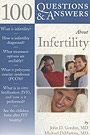
Conceptions


A blog by The New Atlantis staff.

Part One and Part Two of an Interview with Dr.
John D. Gordon, author of

segunda-feira, 9 de junho de 2008

Rise of the sumo baby


[Os valores foram convertidos no sistema métrico]
(...)
Definitions differ as to what constitutes a large baby. The previous threshold was 3,600 kg. Now most health professionals class any baby more than 4,150 kg as above average. Although larger babies do seem to be increasingly common, the heftiest are still rare enough to make the news. Big babies used to be more common when people had larger families, simply because weight tends to increase with each subsequent baby.
(...)

In January 2005 in Brazil, Francisca Ramos dos Santos gave birth to an 8 kg "giant baby". He was her fifth child. Last year in Siberia, Tatyana Barabanov had a girl who weighed 7,900 kg. She was a 12th child. According to the Guinness Book of Records the largest baby ever was born in Canada in 1879, weighing 10,400 kg, but died 11 hours after birth. The heaviest surviving baby was born in Italy in 1955 and weighed 10,300 kg. A 9,500 kg baby was born in Cornwall in 1852 and a boy weighing 9,100 kg was born in Crewe, Cheshire in 1894.
(...)

The reason babies are getting heavier is obvious, says Mervi Jokinen of the Royal College of Midwives: "It is mostly linked to better diet and living standards in the population. But big babies have always existed and sometimes it's very difficult to say if it's genetic or if it's diet." What is undeniable, however, is that obesity - of the mothers, not the babies - is a major factor.
(...)

But the worry of having a large baby is becoming yet another stress factor in pregnancy. "I actually felt a bit guilty and embarrassed about having such a large baby," says Ruth Ainley, 34, a physiotherapist from St Albans. Her son James, now two, weighed 4,900 kg at birth. When he was born by emergency C-section after a 28-hour labour, the surgeon announced, "Well, this one would not have come out any other way."
(...)

Size remains a hugely contentious and emotional issue. Who wants to be told they're overweight when they're pregnant and can't diet anyway? In any case, many pregnant women who have gestational diabetes or large babies - or both - are not obese. And many obese women give birth to normal weight babies with no problems at all. The two concerns with larger babies are cephalopelvic disproportion (when the baby is too large to pass through the mother's pelvis) and shoulder dystocia (when the head comes out but the shoulders get stuck). But neither of these conditions is exclusive to larger babies: they can occur with small ones too.
(...)

Despite the possible complications, many mothers still argue that bigger babies are better. They report feeling more confident in looking after them, less concerned about their growth and relieved that they often sleep through the night at an earlier age. A University College London study conducted over several decades found that babies weighing more than 8lb performed better in IQ tests throughout their lives.


28 horas em trabalho de parto é... mais de um dia!
(já a actriz Kate Winslet esteve 37 horas...)
O que é que isto tem de bom para a mãe e para o bebé, pergunto eu?
Está visto que não acontece só aqui no portugalito :|

domingo, 30 de março de 2008

The art of having a baby


One spring morning a few years ago - well five, in fact: one never forgets such things - a postcard dropped through my door. It showed the Madonna del Parto by Piero della Francesca, a painting I thought I knew well. You probably know it too, at least from reproductions, the original being on display in a former village school in Tuscany. It shows two angels drawing back the curtains of a tent-like pavilion to reveal a Madonna with her eyes gently lowered: a column of calmness, beautiful in blue, one of Piero's magnificently still, silent figures.

I did a double-take. I had always thought the Madonna was supposed to be pregnant - she has one hand to her waist as if easing the weight, and the other just below her breast where a seam in her overdress has been unstitched, as if her clothes were growing too tight. But I wondered, suddenly, whether she was not pregnant at all, just gesturing at a potential pregnancy, representing a mystical future she could only imagine. Like so much Christian art, perhaps the Madonna was only a symbol; or worse, centuries of people looking at the picture had mistaken the bulk of her robes for a gently swelling belly. After all, anyone who thought that Arnolfini's wife was pregnant in Jan Van Eyck's famous painting had only fairly recently been told to think again. Costume historians had established, once and for all, that the yards of green cloth she holds swagged up to her waist are not a sign of fertility, just Flemish high fashion of the 15th century.

I know exactly why I had this brief crisis of faith in Piero's mysterious painting. I had just believed - hoped - that I was pregnant: pregnant again after the loss of a baby. It was inconceivable to me (and inconceivable is, alas, the vicious word that always springs to mind in these circumstances) that I was not, after all, pregnant; or at least not very pregnant. They call it a chemical pregnancy, as if it existed only in a science laboratory and not in the hearts of the parents, and it is generally over within weeks. I found I could not look at paintings or sculptures of pregnant women at all at that time without wondering whether they were really, conclusively pregnant.

We need images, quite apart from anything else, where we have no words. The postcard was an encouragement from a friend who couldn't possibly have guessed how bad the timing would be. Grateful as I am, it's not actually the painting I would choose in any case. I don't know that pregnancy per se is what one wants to see when struggling through the sunless corridor of infertility, any more than photographs of other people's longed-for babies on the walls of IVF clinics.

But how is an artist to represent fertility when it is an unknown quantity - an entirely invisible state? Nobody knows who has it and who doesn't, at least from the outside. In Piero's day, the only manifestation of fertility would have been pregnancy itself; the only proof for the purposes of art the growing belly or - to use an atrocious but common fertility clinic phrase - a 'take-home baby'. The first proof of it nowadays, oddly enough, is still graphic: that notorious double blue line on the test, although even this is not quite a proof. I have seen lines so faint you could barely make them out by the light of 100 suns, gone ahead and celebrated, and then seen them vanish in the very next test.

Fertility in art is generalised, if I may so generalise. It is an attribute in search of a body. It is a ripe bosom and child-bearing hips, or a healthy young nude with an inviting smile, or a woman in some frieze bearing a basket of apples or corn. It is plentiful Ceres, Roman goddess of harvest and motherly love (a concept, you notice, not a human being) or her Greek counterpart Demeter, scattering seeds, her name apparently meaning distribution-mother. It is, I am sorry to say, the figure made 25,000 years age by an anonymous man in Austria, who picked up a piece of limestone and carved it into a nude woman with outsize breasts and Zeppelin thighs (but no face of course), that posterity has laughably dubbed the Venus of Willendorf.

Fertility in art is availability plus abundance, with an optional lusty wink. It is, in short, total embarrassment. And an embarrassment not even restricted to the depiction of women, let it be freely said. Who, coming across it in the National Gallery, hasn't squirmed in front of David Tenier's rude personification of Spring as a gardener carrying an upright young tree in a pot before him: fertility as a huge comedy phallus.

And its opposite: infertility? No sight gags there; no sights at all. I can hardly summon even one image to mind. Barren land, seeds cast on stony ground, the empty vessel, the drought - Biblical metaphors, all, that speak irrefutably for themselves without need of further illustration.

Perhaps one should not be surprised that art has trouble representing fertility except as animal, vegetable or allegory. For fertility is a curious, secret thing, something unknown, invisible, unmeasurable until, like so many of us, you end up in a clinic being told that you do not have very much of it.

Fertility is a potential, pure and simple, abstract. But art has always had to invent images for states of being that can't be discerned in the visible world. Depression, for instance: think of Dürer's Melancolia, that large woman sitting heavily on her stool, head in hand, face like thunder, surrounded by a sizeable junk yard of allegorical bric-a-brac from which she can't escape and in which nothing is clear, uplifting, bright or ever likely to improve. Or Munch's Scream - that peculiar worm-like figure clapping its hands to its face while the air around him reverberates with a long howl of psychic pain. Not for nothing is it the most instantly recognisable image, I'd say, in modern art. If you want something to give you courage, look at Delacroix's deathless Liberty at the Barricades, best foot forward and that brave high arm leading the citizens onwards. If you want to stop arguing about who's turn it is to do something dull but needful about the house, look at Rembrandt's Jewish Bride, the tenderest image of harmonious love and the pleasures of marital peace imaginable.

We should use art. It's a necessity, not a luxury for connoisseurs and collectors. And what painter ever made a picture just to be seen by one or two viewers? Our great public collections are for our great mutual benefit: to be plundered for comfort, new ideas, moral lessons, tales of the lives of others and, like music, for inspiration and encouragement.

During the years I have longed, beyond words, for a child, I have often gone to the National Gallery for inspiration. But there are only one or two paintings of women with child (none of them, incidentally, the Virgin Mary: Piero's Madonna was always uncommon). Naturally, there are cornucopias of fruitful nudes.

In my work as an art critic I came across Anish Kapoor's quasi-mystical sculptures, rounded womb-like cavities that seemed to glow by cunning optical effect. I saw Peter Randall-Page's fertile stone forms, rounded again, sometimes gathering soft moss outdoors in the landscape. I looked at Helen Chadwick's ethereally beautiful necklaces made of images of rejected embryos - five cells interlinked like Olympic rings, silver-blue, just as they are beneath the microscope in reality. I looked and felt as sorrowful as Chadwick must have hoped.

I remember that Ron Mueck, the Australian super-real sculptor my fellow critics like to despise, but I don't, made a sculpture during a residency at the National Gallery clearly with the Virgin Birth in mind. Half life-sized, and astoundingly real right down to the last follicle and flush of the cheek, it's a mother seeing her baby for the first time only seconds after birth, both of them utterly dazed.

Labour is so recent the mother's hands are still clenched, her toes flexed as she struggles to raise her head high enough to see the baby on her stomach. What she feels is not yet obvious either to herself or the viewer - how can she know who this person is; we call them little strangers, don't we? - a being only just made visible. It is the precise moment before amazement gives way to emotion. Who is this child and where did it come from? It's a question the sculpture itself raises since there seems to be no explanation for the baby's position so high upon the mother's stomach, the chord still uncut. How did this miracle get here?

Science still doesn't have many useful answers. You can know every single fact of reproduction and yet not understand why it isn't happening. You can be as expert, very nearly, as the experts themselves. But unexplained infertility remains the commonest kind, and almost as inexplicable is the way it may suddenly come to an end.

Fertility clinics have no idea what to put on their walls. Something pink, something soothing, something vague and inoffensive as the ambient, computer-generated waterfalls and glades displayed under the comically literal banner 'Pictures' at Ikea.

I suppose they don't want to raise your hopes to a pitch. But it is in these clinics that some of us may be blessed enough to see the first, best, most astonishing image of fertility finally coming to life - in my case the little dark universe on the scanner twinkling with two sequins of light: my twin daughters' tiny beating hearts.

And how does that feel? I don't have words. Let me give you an image instead. It is a painting made a very long time ago by a monk working alone in a cell, a man whose imagination enters more deeply than one can believe, almost, into this timeless, ever-recurring moment. A woman is receiving the news that she has conceived - not from a doctor, as you guessed, but an angel. In fact the split-second of the telling is in itself the conception. Mary leans forward, her hands crossed over her body as if receiving a blessing, but also as if protecting the new life there. Her face is a graceful portrait of that singular moment between universal awe and the dawning of more bewildering emotion. It is Fra Angelico's Annunciation - sudden revelation made visible.


quarta-feira, 6 de fevereiro de 2008

6 de Fevereiro / February 6th


The Newborn


This morsel of man I've held -
What potency it has,
Though strengthless still and naked as
A nut unshelled!

Cecil Day-Lewis para o filho, Daniel Day-Lewis

quarta-feira, 19 de dezembro de 2007

"O significado de dar à luz" pela minha amiga Rita, mãe pela segunda vez

Eu nasci pela primeira vez no dia 26 de Julho de 1974; nasci pela segunda vez no dia 26 de Maio de 2004 e no dia 5 de Dezembro nasci pela terceira vez. Nasci com o Eduardo, que ofereço à luz e ao mundo.

Hoje consigo compreender o termo “dar à luz” para além do seu significado técnico. Há muita luz no mundo, meu filho, que a partir de hoje começarás a descobrir. Dar à luz, dar-te à luz, é ter o privilégio de te anunciar de coração cheio e pesado de amor que no mundo há coisas muito belas. É sobre elas que te vou falar: sobre momentos simples e fugazes que enchem os dias de sentido. São esses, Eduardo, a que aprenderás a chamar “momentos felizes.”

Terás o sorriso da tua irmã, o toque das suas mãos pequeninas, o calor delas emanado que procurarás sentir no rosto sempre que ela se aproximar de ti. Haverá o colo grande do teu pai, a primeira voz grave que conhecerás, terás as festas doces dos avós dos “abraços-prontos”. Saberás da memória auditiva que temos sempre para as vozes daqueles que amamos e, mesmo quando já não estão entre nós, nunca, nunca, nos esquecemos delas. Aprenderás que os amigos são a família que pudemos escolher, que tivemos a sorte de encontrar.

Um dia provarás o sabor bom a sal que fica no cabelo depois de um mergulho no mar, apreciarás extasiado o recorte belíssimo das gôndolas venezianas em contra luz, a visão do lento mergulho pesado de uma baleia, ou o mergulho despido e tão bom nos olhos das pessoas que vieres a amar. E tantas mais coisas belas, Eduardo, quisera eu lembrar-me de todas... o Tejo em todas as horas, sereno e eterno, a casa Batlló do Gaudí, em cujas paredes onduladas apetece passar as mãos, o cheiro da chuva deitada no chão das ruas, a dança, todas as danças que são expressão dos corpos em comunhão com a música, a música como verdade escondida e subtil que existia no mundo desde o seu início, a paz que entra no coração depois de choradas grossas lágrimas, o entender o “My way” do Sinatra no final de cada ciclo de vida, frase a frase: tudo fará sentido e terá luz, muita luz, lá dentro.
E os livros, Eduardo, os livros onde estão todas as histórias de amor, todos os momentos felizes, onde estamos todos nós, ora trágicos, ora heróis, tão imperfeitos, tão inacabadamente vivos.

Entederás que nunca ninguém é amado demais, que não existe amor a mais... mas que deveria haver mais amor tantas e tantas vezes.
Perceberás com tudo isso o que significa ter sido dado à luz... e entenderás as palavras do John Lennon “imagine all the people living for today.”

Quisera eu que o mundo te recebesse hoje e sempre num grande abraço... e mesmo que ele não to ofereça todos os dias, contarás com muitos momentos felizes, como estes de que te falei. E outros que descobrirás tu e me ensinarás a mim. À tua mãe para sempre.

Rita