
terça-feira, 29 de novembro de 2011

terça-feira, 22 de novembro de 2011

quinta-feira, 17 de novembro de 2011


domingo, 13 de novembro de 2011

sexta-feira, 14 de outubro de 2011
La Vie en Rose
It's the colour of every little girl's dream bedroom, if not her entire wardrobe and all her toys. But is it the ultimate marketeer's magic trick, or are today's little princesses really hardwired for la vie en rose?
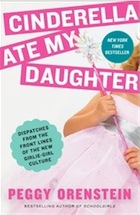
Here is my dirty little secret: as a journalist I have spent nearly two decades writing about girls, thinking about girls, talking about how girls should be raised. Yet, when I finally got pregnant myself, I was terrified at the thought of having a daughter. I was supposed to be an expert on girls' behaviour. What if, after all that, I was not up to the challenge myself?
Then I saw the incontrovertible proof on the sonogram (or what they said was incontrovertible proof; to me, it looked indistinguishable from, say, a nose) and I suddenly realised I had wanted a girl – desperately, passionately – all along. I had just been afraid to admit it. But I still fretted over how I would raise her, what kind of role model I would be, whether I would take my own smugly written advice on the complexities surrounding girls' beauty, body image, education, achievement. Would I embrace frilly dresses or ban Barbies? Push football shoes or tutus?
Shopping for her, I grumbled over the relentless colour coding of babies. Who cared whether the crib sheets were pink or tartan? During those months I must have started a million sentences with "My daughter will never..."
And then I became a mother.
Daisy was, of course, the most beautiful baby ever (if you don't believe me, ask my husband). I was committed to raising her without a sense of limits: I wanted her to believe neither that some behaviour or toy or profession was not for her sex nor that it was mandatory for her sex. I wanted her to be able to pick and choose the pieces of her identity freely – that was supposed to be the prerogative, the privilege, of her generation. For a while it looked as if I were succeeding. On her first day of nursery, at the age of two, she wore her favourite outfit – her "engineers" (a pair of pin-striped overalls) – and proudly toted her Thomas the Tank Engine lunchbox. My daughter had transcended typecasting.
Oh, how the mighty fall. All it took was one boy who, while whizzing past her in the playground, yelled, "Girls don't like trains!" and Thomas was shoved to the bottom of the toy chest. Within a month, Daisy threw a tantrum when I tried to wrestle her into trousers. As if by osmosis she had learned the names and gown colours of every Disney Princess – I didn't even know what a Disney Princess was. She gazed longingly into the tulle-draped windows of the local toy stores and for her third birthday begged for a "real princess dress" with matching plastic high heels. Meanwhile, one of her classmates, the one with two mummies, showed up to school every single day dressed in a Cinderella gown. With a bridal veil.
What was going on here? My fellow mothers, women who once swore they would never be dependent on a man, smiled indulgently at daughters who insisted on being addressed as Snow White. The supermarket checkout girl invariably greeted Daisy with, "Hi, Princess." The waitress at our local breakfast joint, a hipster with a pierced tongue and a skull tattooed on her neck, called Daisy's "funny-face pancakes" her "princess meal"; the nice lady at the pharmacist offered us a free balloon, then said, "I bet I know your favourite colour!" and handed Daisy a pink one rather than letting her choose for herself. Then, shortly after Daisy's third birthday, our high-priced paediatric dentist – the one whose practice was decked out with comic books, DVDs and arcade games – pointed to the exam chair and asked, "Would you like to sit in my special princess throne so I can sparkle your teeth?"
"Oh, for God's sake," I snapped. "Do you have a princess drill, too?"
She looked at me as if I were the wicked stepmother.
But honestly: since when did every little girl become a princess? It wasn't like this when I was a kid, and I was born back when feminism was still a mere twinkle in our mothers' eyes. We did not dress head to toe in pink. We did not have our own miniature high heels. As my little girl made her daily beeline for the dress-up corner of her classroom, I fretted over what playing Little Mermaid, a character who actually gives up her voice to get a man, was teaching her.
On the other hand, I thought, maybe I should see princess mania as a sign of progress, an indication that girls could celebrate their predilection for pink without compromising strength or ambition; that at long last they could "have it all": be feminist and feminine, pretty and powerful, earn independence and male approval. Then again, maybe I should just lighten up and not read so much into it – to mangle Freud, maybe sometimes a princess is just a princess.
The annual toy fair at New York's Javits Center is the industry's largest trade show, with 100,000 products spread over 350,000ft of exhibition space. And I swear, at least 75,000 of those items were pink. I lost count of the myriad pink wands and crowns (feathered, sequined and otherwise bedazzled) and infinite permutations of pink poodles in purses. The Disney Princesses reigned over a new pink royal interactive kitchen with accompanying pink royal appliances and pink royal pot-and-pan sets (though I would have thought one of the perks of monarchy would be that someone else did the cooking). There were pink dinnerware sets emblazoned with the word princess, pink fun-fur stoles and boas, pink golf clubs, sleds, tricycles, bicycles, scooters, and motorcycles and even a pink tractor. Oh, and one pink neon bar sign flashing "live nudes".
It's not that pink is intrinsically bad, but it is such a tiny slice of the rainbow and, though it may celebrate girlhood in one way, it also repeatedly and firmly fuses girls' identity to appearance. Then it presents that connection, even among two-year-olds, between girls as not only innocent but as evidence of innocence. Looking around, I despaired at the singular lack of imagination about girls' lives and interests, at the rows and rows of make-your-own jewellery/lip gloss/nail polish/fashion-show craft kits at the drumbeat of the consumer feminine.
"Is all this pink really necessary?" I asked a bored-looking sales rep hawking something called Cast and Paint Princess Party. "Only if you want to make money," he said, chuckling. Then he shrugged. "I guess girls are born loving pink."
Are they? Judging by today's girls, that would seem to be true – the colour draws them like heat-seeking missiles. Yet adult women I have asked do not remember being so obsessed with pink as children, nor do they recall it being so pervasively pimped to them. I remember thinking my fuchsia-and-white-striped dance shirt with its matching stirrup pants was totally bitchin', but I also loved the same outfit in purple, navy, green and red (yes, I had them all – there must have been a sale). My toys spanned the colour spectrum, as did my hair ribbons, school notebooks and lunchboxes. The original Easy-Bake oven, which I begged for (and never got), was turquoise, and the Suzy Homemaker line – I had the iron, which really worked – was teal. I can't imagine you would see that today. What happened? Why has girlhood become so monochromatic?
Girls' attraction to pink may seem unavoidable, somehow encoded in their DNA, but according to Jo Paoletti, an associate professor of American Studies at the University of Maryland, it's not. Children weren't colour-coded at all until the early 20th century: in the era before domestic washing machines all babies wore white as a practical matter, since the only way of getting clothes clean was to boil them. What's more, both boys and girls wore what were thought of as gender-neutral dresses. When nursery colours were introduced, pink was actually considered the more masculine hue, a pastel version of red, which was associated with strength. Blue, with its intimations of the Virgin Mary, constancy and faithfulness, symbolised femininity. (That may explain a portrait that has always befuddled me, of my father as an infant in 1926 wearing a pink dress.) Why or when that switched is not clear, but many of the early Disney heroines – Cinderella, Sleeping Beauty, Wendy, Alice in Wonderland, Mary Poppins's Jane Banks – were dressed in various shades of azure. (When the company introduced the Princess line, it deliberately changed Sleeping Beauty's gown to pink, supposedly to distinguish her from Cinderella.) It was not until the mid-1980s, when amplifying age and sex differences became a dominant children's marketing strategy, that pink fully came into its own, when it began to seem innately attractive to girls, part of what defined them as female, at least for the first few critical years.
I hadn't realised how profoundly marketing trends dictated our perception of what is natural to kids, including our core beliefs about their psychological development. Take the toddler. I assumed that phase was something experts – people with PhDs at the very least – developed after years of research into children's behaviour: wrong. Turns out, according to Daniel Cook, a historian of childhood consumerism, it was popularised as a marketing gimmick by clothing manufacturers in the 1930s.
Trade publications counselled department stores that, in order to increase sales, they should create a "third stepping stone" between infant wear and older kids' clothes. They also advised segregating girls' and boys' clothing no later than age two: parents whose sons were "treated like a little man" were thought to be looser with their purse strings. It was only after "toddler" became common shoppers' parlance that it evolved into a broadly accepted developmental stage. If that seems impossible to believe, consider the trajectory of "tween", which was also coined, in the mid-1980s, as a marketing contrivance (originally describing children aged eight to 15). Within 10 years it was considered a full-blown psychological, physical and emotional phase.
Splitting kids, or adults, into ever-tinier categories has proved a sure-fire way to boost profits. And one of the easiest ways to segment a market is to magnify gender differences – or invent them where they did not previously exist.
At one time, playthings were expressly intended to communicate parental values and expectations, to train children for their future adult roles. Because of that, they can serve as a Rorschach for cultural anxieties. Take baby dolls. In the late 19th century, industrialisation shifted the source of the family income outside the home. Without the need for free labour, middle-class couples no longer felt compelled to have more than one child. Baby dolls were seen as a way to revive the flagging maternal instinct of white girls, to remind them of their patriotic duty to conceive; within a few years dolls were ubiquitous, synonymous with girlhood itself.
I consulted Lise Eliot, a neuroscientist and the author of Pink Brain, Blue Brain, a fascinating book for which she sifted through more than 1,000 studies comparing males' and females' brains and behaviours. For the most part, at least in the beginning, the behaviour and interests of the two sexes are nearly indistinguishable. Both go gaga over the same toys: until they're about a year old, they are equally attracted to dolls; and until they're around three, they show the same interest in actual babies. Then the whole concept of labelling kicks in – sometime between the ages of two and three they realise that there is this thing called "boy" and this thing called "girl" and something important differentiates them.
The Big Kahuna of sex differences, according to Eliot, is toy choice. Boys push cars, girls push prams. You even see it in primates. In a 2002 study, researchers gave two stereotypically masculine toys (a police car and a ball), two stereotypically feminine toys (a doll and a cooking pot), and two neutral toys (a picture book and a stuffed animal) to 44 male and 44 female Vervet monkeys. The monkeys had never seen the items before and were (obviously) unaware of their connotations. The results? Though males and females were similarly drawn to the neutral items, the males gravitated toward the boy toys, while the females went for the doll and – grrr! – the cooking pot. A fluke? Maybe, but six years later, that finding was replicated by a second group of researchers studying Rhesus monkeys. Meanwhile, among us humans, girls who are born with a genetic disorder that causes them to produce high levels of male hormones are more physically active than other girls and favour traditional "boy" toys.
Toy choice turns out to be one of the largest differences between the sexes over the entire life span, bigger than anything except the preference (among most of us) for the other sex as romantic partners. But its timing and intensity shore up every assumption and stereo-type we adults hold. That blinds us to the larger truth of how deeply those inborn biases are reinforced by a child's environment.
Eliot's own research is in something called "neuroplasticity," the idea that our inborn tendencies and traits, gender-based or otherwise, are shaped by our experience. A child's brain, she explains, changes on a molecular level when she learns to walk, learns to talk, stores a memory, laughs, cries. So though kids may be the most rigid about gender during the princess years, their brains are also at their most malleable, the most open to long-term influence on the abilities and roles that go with their sex. In other words, Eliot says, nurture becomes nature. "Think about language. Babies are born ready to absorb the sounds and grammar and intonation of any language, but then the brain wires itself up to only perceive and produce a specific language. After puberty, it's possible to learn another language, but it's far more difficult. I think of gender differences similarly: the ones that exist become amplified by the two different cultures that boys and girls are immersed in from birth. That contributes to the way their emotional and cognitive circuits get wired."
Hormones, genes and chromosomes, then, aren't quite as powerful as we tend to believe. And that has implications for how we raise and educate our children.
"If you believe it's all immutable, then what is the harm in plunking girls in a pink ghetto or letting boys get by without doing art or singing or all the things they used to like to do before they got associated with girls?" Eliot asks. "But if you believe these disparities in adults are shaped by development and experience…"
I never expected, when I had a daughter, that one of my most important jobs would be to protect her childhood from becoming a marketers' land grab. I have begun to see myself as that hazel tree in the Grimm Brothers' version of Cinderella: my branches offering her shelter, my roots giving her strength. I refuse to believe that parents are helpless. We can provide alternatives, especially in the critical early years when children's brains are most malleable: choices that appeal to their desire to be girls yet reflect parents' values, worldview and dreams for them.
I wish I could tell you that I had reached my own goals: getting my daughter outside more, taking walks in the woods together, playing sports, making art. Occasionally I have – and I advocate all of that – but mostly I have just got a lot more canny about how we participate in the consumer culture. At bedtime we continue to read legends, mythology, and fairytales – all of which teem with complex female characters that fire a child's imagination. The path to womanhood is strewn with enchantment, but it is also rife with thickets and thorns and a Big Bad Culture that threatens to consume them even as they consume it. The good news is, the choices we make for our toddlers can influence how they navigate life as teens. I'm not saying we can, or will, do everything "right," only that there is power – magic – in awareness. If we start with that, with wanting girls to see themselves from the inside out rather than outside in, we will go a long way towards helping them find their true happily ever-afters.
quarta-feira, 12 de outubro de 2011

sexta-feira, 30 de setembro de 2011




segunda-feira, 12 de setembro de 2011


sexta-feira, 9 de setembro de 2011

quinta-feira, 7 de julho de 2011

segunda-feira, 20 de junho de 2011

segunda-feira, 6 de junho de 2011


quarta-feira, 1 de junho de 2011

sexta-feira, 27 de maio de 2011
quinta-feira, 26 de maio de 2011
Gosto de Ler!
Editorial Presença:


Como tantas outras meninas, a protagonista desta historiazinha adora ler - estendida no chão, sentada numa cadeira ou na cama - EM QUALQUER SÍTIO! Gosta de ler livros sobre animais, contos de fadas, cavaleiros, princesas, e muitas, muitas outras coisas. Um livro pop-up, que inclui três etiquetas e um marcador de livros destacáveis, para fazer as delícias de muitas meninas.

Como tantas outras meninas, a protagonista desta historiazinha adora ler - estendida no chão, sentada numa cadeira ou na cama - EM QUALQUER SÍTIO! Gosta de ler livros sobre animais, contos de fadas, cavaleiros, princesas, e muitas, muitas outras coisas. Um livro pop-up, que inclui três etiquetas e um marcador de livros destacáveis, para fazer as delícias de muitas meninas.
segunda-feira, 23 de maio de 2011

terça-feira, 17 de maio de 2011
Five Things Every New Mom Should Know

Question marks abound for new parents, so educate yourself about behaviors and traits that may seem unusual but are actually fairly common.
Here are a few examples:
- Belly button popping out: This indicates an umbilical hernia; these usually resolve with no treatment.
- Gooey eyes: These are due to blocked tears ducts and usually resolve around one year of age.
- Back hair: Called "lanugo," this is shed soon after birth.
- Shuddering and crossing eyes: These should go away by four to six months of age.
- Hiccuping and sneezing: These don't necessarily indicate illness in newborns; they simply clear secretions.
If either parent has a history of asthma, allergies, or eczema, breastfeeding or feeding with a hypoallergenic formula may prevent or delay these conditions for the child. Recent findings also indicate increased risk of obesity when food is introduced before four months; Dr. Thebner recommends waiting four to six months to introduce food.
3. New Recommendations for Introducing New Foods
Be sure to read the latest research on introducing new foods to your child's diet, as recommendations have evolved over the years, in some cases dramatically. For example, conventional wisdom once dictated avoiding foods like eggs and peanuts during your baby's first few years of life, but it now appears that doing so will predispose your child to more food allergies.
4. Protect Baby from Disease
Get a flu shot before birth: It gives the baby some protection in utero and also reduces the risk that the baby will catch flu from you. In addition, you may want to consider the Tdap vaccine, a booster for tetanus and whooping cough, which can be fatal in babies.
5. Encourage Healthy Sleep Patterns
It's important to establish healthy sleep patterns early, so read up on sleep strategies before giving birth (while you still have the energy to read!). Dr. Thebner recommends "The Sleep Lady's Good Night, Sleep Tight" and "52 Sleep Secrets for Babies," both by Kim West.
Read more at Wholeliving.com: 5 Things Every New Mom Should Know
segunda-feira, 9 de maio de 2011
Mr. Men and Little Miss
On the 75º Birthday of Roger Hargreaves,
who gave us
Mr. Men and Little Miss,
several
Google Doodles:


domingo, 1 de maio de 2011
Impagável, a nossa Livreira Anarquista ;D
A qual faz jus ao ofício, à variedade e ao ecletismo que os livros nos oferecem, pois até tem criatividade para ser lembrada e honrada num blogue "sobre crianças" :)
 Livreira Anarquista conseguiu ter acesso a uma das imagens do novo livro da Anne Guedes, desta feita em parceria com a Nora Roberts.
A criança, apesar de ter sobrevivido, ainda está a receber acompanhamento psicológico.

A criança, apesar de ter sobrevivido, ainda está a receber acompanhamento psicológico.

terça-feira, 26 de abril de 2011


quarta-feira, 6 de abril de 2011
Lilian Flor

Airy, Fairy Lilian,
Flitting, fairy Lilian,
When I ask her if she love me,
Claps her tiny hands above me,
Laughing all she can;
(...)
Alfred, Lord Tennyson
sábado, 2 de abril de 2011


sexta-feira, 4 de março de 2011
The Guardian launches its Children's Books site

Launched on World Book Day, the brand new Guardian children's books site has been designed and curated with the help of a dedicated editorial panel of 100 children and teens from around the world. They told us what they wanted, and we did our best to make it happen. And that's how the site will work: by children, for children.
Take a look around: you can read reviews, follow discussions, and watch and listen to the questions our panel have put to top authors, fromJacqueline Wilson to Malorie Blackman, Michelle Paver to Charlie Higson. There's age-themed content, a monthly podcast, a book club, extracts,quizzes, competitions with amazing prizes (win your height in books!) and much more.
Discover the team by reading their 10-word profiles and watching the 'get involved' video. Inspired to get involved yourself? If you're under 18 and a booklover, we'd love to have you on board. Here's how.
This is just the start - there's loads more exciting stuff lined up for the future. So keep coming back to check out what's new, and get in touch at childrens.books@guardian.co.uk to tell us what you think and what you'd like to see.
The Gruffalo was a runner-up to the Oscars, and is a staple around here ;)
Click to access The Gruffalo's website and check all the goodies :]


quarta-feira, 23 de fevereiro de 2011

sábado, 8 de janeiro de 2011
domingo, 2 de janeiro de 2011
Feliz Ano Novo - De Grávida a Mãe

[De quem é esta bela ilustração?]
Notícias Magazine, do DN
O que acontece no corpo e na mente das mulheres desde o momento da concepção até ao primeiro fôlego do seu bebé. O determinismo dos genes, o poder do factores ambientais, dicas para viver uma gravidez tranquila e ter um bebé saudável. Uma obra para quem quer saber de amamentação, chuchas, fraldas e noites mal dormidas. O conhecimento é a melhor arma contra a insegurança, como explicam, com graça, Michael Roizen e Mehmet Oz.
Não tem nada que enganar. Basta um ovo, cem milhões de espermatozóides muito excitados e paixão q.b. para envolver o que ganhar a corrida. Depois, guarda-se no útero durante quarenta semanas e protege-se com uma boa dose de serenidade. Seguir estes passos é meio caminho andado para ter uma gravidez tranquila e um bebé saudável após o nascimento e durante toda a vida.
É mais ou menos assim que a famosa dupla Michael Roizen e Mehmet Oz começa o seu novo livro, YOU Vou Ter Um Bebé, o Manual de Instruções para Uma Gravidez Saudável e Feliz. Desta vez os médicos norte-americanos propõem-se ajudar as futuras mães a terem uma gravidez sem stress, um parto sem complicações e o bebé mais saudável do mundo. Desejos e anseios que dependem da informação e do conhecimento, da gestão do stress e da ansiedade e do apoio das pessoas que estão à volta das grávidas. O funcionamento do corpo, a alimentação, os enjoos e os apetites, a auto-imagem e o desejo sexual, a genética e a epigenética, enfim, tudo o que se passa na cabeça da mulher antes, durante e depois de trazer um bebé ao mundo: «Independentemente de ser a primeira ou a quarta, a gravidez é a coisa mais avassaladora do mundo. E a que gera maior conflito interno. Num momento está toda entusiasmada, completamente eufórica e impaciente pelo primeiro sorriso do seu bebé, o primeiro balbuciar, o primeiro abraço que lhe encherá a alma. No outro, sente-se ansiosa, cheia de incertezas perante o que se passa na sua barriga, se o pequenote está a crescer bem e se você vai conseguir viver sem dormir nada.» Para que nenhuma mãe «entre em parafuso», Roizen e Oz lembram que «o corpo da mulher está preparado para ter bebés de uma forma segura e eficaz. Não quer dizer que a viagem corra sempre às mil maravilhas, mas significa que tem tudo a seu favor. Se souber o que fazer para que a natureza siga o seu percurso natural, só aumenta as probabilidades de tudo correr bem». Ora vamos ver o que é que a espera, a si e ao seu bebé.
Post-its biológicos
Depois da batalha romântica, é a vez de os genes e o ambiente entrarem em acção. E ao facto de nascermos de «uma simples célula fertilizada e nos transformarmos nos milhares de milhões de células que compõem uma pessoa» Oz chama um grande milagre da natureza: «As células humanas contém 23 pares de cromossomas, as estruturas que contêm o nosso ADN, uma espécie de livro de instruções que diz ao corpo como se deve desenvolver.» Mas isto é só uma pequena parte da história, senão os gémeos idênticos, que têm exactamente o mesmo ADN, não desenvolviam traços diferentes, como acontece. O que está por detrás destas diferenças, explica a dupla médica, são os factores ambientais que, «muito provavelmente ainda no útero, influenciam a expressão dos genes». É a epigenética em acção.
E é a epigenética que nos torna únicos: «Os genes são como as receitas, são instruções para se criar uma coisa. Tanto a mãe como pai dão ao seu descendente uma cópia do enorme livro de receitas de cada um mas, no caso de muitos genes, só uma cópia de cada receita será usada pelo bebé. Por exemplo, os genes dos olhos são castanhos, azuis ou verdes e para esses genes só se expressa o gene do pai ou da mãe, ou seja, só uma cópia é activada, nunca as duas.»
O organismo humano é composto por cerca de 25 mil genes e contém cerca de duzentos tipos de células diferentes. Para que estas saibam quais os genes que lhes interessam - o da mãe ou o do pai -, «o corpo põe post-its biológicos, chamados etiquetas epigenéticas, em determinados genes para definir quais as receitas biológicas que vão ser usadas». Esta «rotulagem», explicam Oz e Roizen, «ocorre durante vários processos químicos mas, vejam só, «as acções da mãe durante a gravidez influenciam esses processos e determinam onde são colocados os post-its e quais os genes que serão expressos afectando, em última análise, a saúde do bebé».
Entendido porque é que os genes, só por si, não explicam a diversidade do nosso aspecto, comportamento e até a forma como nos desenvolvemos? «A forma como os genes são expressos tem um papel importantíssimo na imensa diferença que há entre nós e os macacos, com quem partilhamos 99,8 por cento do ADN, e nas óbvias e subtis diferenças entre dois seres humanos, embora tenhamos 99,9 por cento de ADN comum.»
Uma canção biológica
Agora que já sabe que os factores de stress do meio envolvente da mãe, incluindo a alimentação e o tabaco, provocam alterações nos padrões de expressão dos genes do feto, chegou a altura de explicitar os desafios que se colocam às mães. Sem culpabilidades, pois até há pouco tempo desconhecia-se o papel da epigenética antes do parto e, por outro lado, «podemos regular a actividade dos genes depois do nascimento - no caso da criança que vai ter, de crianças anteriores e até no seu caso». Como? «O segredo é parar e fazer uma inversão de marcha YOU e acabar com os comportamentos prejudiciais logo que possível. Até mesmo os efeitos nefastos do tabaco podem ser revertidos se deixar de fumar no princípio da gravidez.
O Dr. Oz usa uma metáfora musical para explicar melhor o funcionamento da epigenética: «O ADN é a composição que determina a individualidade do bebé, afinal existem milhares de formas de juntar as notas musicais. Mas a questão é que há muitas maneiras de interpretar uma canção. A mesma canção, diferentes interpretações, diferentes resultados. Ora, você e o seu parceiro têm, cada um, o respectivo ADN, e depois de se renderem a uma noite de boogie-woogie fizeram a vossa canção biológica na forma de um bebé. O código genético está definido, mas têm ainda a oportunidade de interpretar a canção e mudar a forma de os genes do seu filho se expressarem. E isto, caros amigos, é música para os vossos ouvidos.»
Dicas YOU
Estar grávida e ter um filho é talvez o maior desafio da nossa vida. Mas é um desafio bom. Agora que está preparada para o repto lembre-se de que durante os próximos meses o seu comportamento vai mudar: «Tal acontece devido às alterações dos níveis hormonais que podem levá-la a fazer coisas que nunca imaginaria. Não tem importância. O seu objectivo é proporcionar ao bebé um ambiente saudável mas não tem de se sentir mal se de vez em quando não cumprir essas recomendações.»
No que respeita à alimentação, o importante é comer bem a maior parte do tempo. «Já sabemos que os seus hábitos alimentares podem dar voltas de 180 graus de um momento para o outro. Por isso não deve estranhar os momentos em que lhe apetece comer tudo e mais alguma coisa nem os momentos em que parece que vai desfalecer. Deve é procurar comer nove ou mais doses (uma mão-cheia) de fruta e vegetais, três ou mais doses de cereais integrais, três ou mais doses de proteína magra (carne magra e aves sem pele, peixe, ovos, nozes, feijões, lentilhas, tofu).» Ter um momento de fraqueza e cair em tentações gastronómicas de vez em quando não é problema de maior. Desde que não se torne um habito, avisam os médicos Michael Roizen e Mehmet Oz.
Outra regra de ouro da alimentação é comer várias vezes por dia. Pelo menos seis. «Assim se evita a queda dos níveis de açúcar e os enjoos.» E para fazer face aos desejos a dica é comer alimentos que a deixem satisfeita e que não prejudicam nem a si nem ao seu bebe. Trocar batatas fritas por batatas assadas; gelados por iogurte; alimentos fritos por grelhados; bolachas com pepitas de chocolate por um quadradinho de chocolate preto; batatas fritas de pacote por pipocas rebentadas em ar quente e não em gordura são algumas sugestões. Segundo a dupla norte-americana, devem evitar-se os hidratos de carbono simples (açúcar refinado, massas e pão branco), gorduras transaturadas (gordura de animais de quatro patas, óleo de palma e de coco, óleos hidrogenados, alimentos fritos ou processados) e, claro, os demónios alimentares das grávidas - a cafeína (incluindo as bebidas carbonadas) e o peixe com alto teor em toxinas (peixe-espada, cavala, atum). Faça-o por si e pelo seu bebé, que precisa de nutrientes e não de calorias.
Do que o seu bebé também precisa é de ser estimulado. Ainda no útero, com a voz da mãe e com música, e depois do nascimento, mimando-o e dando-lhe a atenção, os cuidados e o tempo de que os recém-nascidos precisam. Até lá, informe-se, porque o conhecimento é a melhor arma contra a insegurança. Em YOU Vou Ter Um Bebé, o Manual de Instruções para Uma Gravidez Saudável e Feliz, Michael Roizen e Mehmet Oz explicam tintim-por-tintim o sentido do planeamento da gravidez, os exercícios durante a gestação, o sono, os medicamentos, o peso, o trabalho, a preparação para o parto, a escolha da parteira, do médico e do hospital, os cuidados com o recém-nascido, o regresso a casa, as vacinas, etc. A resposta a todas as dúvidas que a assolam numa linguagem clara, rica e muito divertida. Com dicas para exercícios, planos alimentares e pareceres muito sérios sobre o papel do homem, enquanto marido e pai.
E por falar em pai, é claro que este não vai festejar o nascimento do filho com charutos, mas sim com muitos beijinhos e abraços e, porque não, com uma simpática lista de desejos oferecida pela mãe. Para já, fique a saber que há três áreas em que o pai vai realmente fazer a diferença: na logística (a pintar paredes, a montar e a desmontar berços, cadeirinhas, carrinhos, etc.); no plano emocional (já não é o número um e as conversas sobre futebol, política ou música já não interessam, o que está na ordem do dia são enjoos, ecografias, birras e sogras) e, finalmente, a nível físico (vai gastar menos calorias a fazer amor, a não ser que passe a usar as duas mãos para fazer carícias e massagens). Preparados para o embate que vai mudar as vossas vidas? Com certeza que sim!
Grandes momentos da vida no útero
As etapas mais importantes do desenvolvimento do bebé, segundo a idade clínica.
6 semanas O coração está formado e a circulação estabelecida. Uma grande parte dos pulmões também está formada, bem como os dedos das mãos e dos pés e partes da face, nomeadamente os lábios.
7 semanas O feto consegue produzir urina. As «bolhas» na zona dos olhos colapsam formando estruturas côncavas.
9 semanas O sistema imunológico começa a desenvolver-se com a formação das células B, um tipo de glóbulos brancos que ajudam a combater as infecções. As fossas nasais estão formadas. O bebé é do tamanho de um feijão e tem a mesma forma.
10 semanas Os olhos movem-se para a frente da cara e formam-se as pálpebras, que se unem (separam-se mais tarde, no segundo trimestre). O feto começa a cerrar os olhos, abre a boca e faz pequenos movimentos com os dedos dos pés e das mãos.
11 semanas As bochechas, sobrancelhas e braços são sensíveis ao tacto.
12 semanas As papilas gustativas desenvolvem-se e amadurecem. Calma com as anchovas, mãe.
14 semanas O sistema imunológico desenvolve-se rapidamente, com a formação de células T. Já se detectam muitos químicos do sistema digestivo, como a bilirrubina do fígado e a insulina do pâncreas. O bebé começa a desenvolver a pele, o cabelo e as unhas. Começa a engolir. Toda a superfície do corpo é sensível ao tacto. Tamanho do feto: mais ou menos o de uma laranja.
16 semanas Os genitais são visíveis. Os cem milhões de neurónios que se formam no córtex visual primário começam a desenvolver-se a partir deste momento até às 28 semanas. A respiração desenvolve-se. Tamanho: mais ou menos o de uma toranja.
20 semanas As orelhas sobressaem da cabeça. Uma penugem cobre o corpo. Tamanho: 300 gramas, o peso de dois iPods.
25 semanas O feto reage aos sons. Cuidado com o que diz.
26 semanas O feto é capaz de sugar. É capaz de ouvir sons. Podem ver-se as sobrancelhas e as pestanas. Tamanho: 630 gramas (mais ou menos o peso de três laranjas). Quase metade dos bebés que atingem esta idade conseguem sobreviver a um parto prematuro.
29 semanas Os pulmões, já com fluidos no seu interior, começam a expandir-se e a comprimir-se simulando o movimento da respiração.
30 semanas Os olhos são sensíveis à luz e o olfacto começa a desenvolver-se. O feto consegue sugar e engolir, para ajudar a desenvolver o sistema gastrintestinal. Além disso, pode ter soluços e pode respirar, o que é muito bom caso venha a nascer nesta fase, uma vez que noventa por cento dos bebés sobrevivem. Tamanho: 1,100 quilogramas, ou o peso de um ananás.
34 semanas A pele é vermelha e engelhada. A gordura começa a depositar-se para cobrir o feto. Ganha reflexos como pestanejar e agarrar, e começa a ter padrões de sono perceptíveis. Tamanho: 1,800 quilogramas ou o tamanho de um chihuahua médio.
36 semanas Se ainda não o fez, o bebé começa a descer na direcção da pélvis para se preparar para o parto. As unhas cresceram e estão completamente formadas.
37 semanas Os pulmões desenvolvem-se e se o bebé nascer já não é considerado prematuro. Encara-se como uma gestação de termo.
38 semanas Com a formação de mais gordura, o corpo torna-se mais redondo, menos enrugado. Tamanho: 2,5 quilos ou o peso de um portátil levezinho.
40 semanas Termina o período normal de gestação. Todos os sistemas a funcionar.
Mistérios da maternidade
Tudo o que acontece dentro e fora da barriga ao longo de 280 dias de gravidez. As coisas mais incríveis sobre o corpo, da concepção ao nascimento. YOU Vou Ter Um Bebé, o Manual de Instruções para Uma Gravidez Saudável e Feliz é uma obra a ler por todas as mulheres que não querem entrar em parafuso antes e depois do nascimento dos filhos. «Estamos aqui para acabar com mitos, para desafiar a sua mente e preparar o seu corpo para a maior viagem que o ser humano pode fazer, desde o momento em que duas células se tornam uma até ao momento em que o seu pequeno rebento sai da concha confortável que é a sua barriga», referem os autores e médicos Michael F. Roizen e Mehmet C. Oz. O primeiro, especialista em medicina interna e presidente do Departamento de Anestesiologia da Universidade de Chicago, entrou no corredor da fama após a «invenção» do conceito Real Age. Já Mehmet Oz, um reputado cirurgião cardíaco, tornou-se célebre com a rubrica «Ask Dr. Oz», no programa The Oprah Winfrey Show, e desde há um ano é a estrela maior do seu próprio programa, The Dr. Oz Show, que passa de segunda a sexta-feira na SIC Mulher. Um verdadeiro comunicador.
YOU Vou Ter Um Bebé, a Manual de Instruções para Uma Gravidez Saudável e Feliz, de Michael F. Roizen e Mehmet C. Oz. Uma edição Lua de Papel.
Subscrever:
Mensagens (Atom)
