
terça-feira, 13 de outubro de 2009

segunda-feira, 12 de outubro de 2009
Finalmente, num país que se pretende desenvolvido
Lisboa, 12 Out (Lusa) - A exibição de animais nos circos tem os dias contados com a publicação de uma lei que proíbe a compra de novos macacos, elefantes, leões ou tigres e que impede a reprodução dos animais já detidos pelos circos.
A portaria 1226/2009, publicada hoje e que entra em vigor na terça-feira, divulga uma lista de espécies consideradas perigosas, pelo seu porte ou por serem venenosas, que só podem ser detidas por parques zoológicos, empresas de produção animal autorizadas e centros de recuperação de espécies apreendidas.
Os circos não fazem parte da lista de excepções, assim como as lojas de animais, que também ficam proibidas de vender cobras de grande porte ou venenosas, algumas aranhas ou lagartos.
RTP
domingo, 11 de outubro de 2009
The best books for the youngest readers
Booktrust's Early Years awards celebrate the best picture books. This year there are awards in three categories: baby book; pre-school; and best emerging illustrator. Here's a glimpse of the books shortlisted for each.


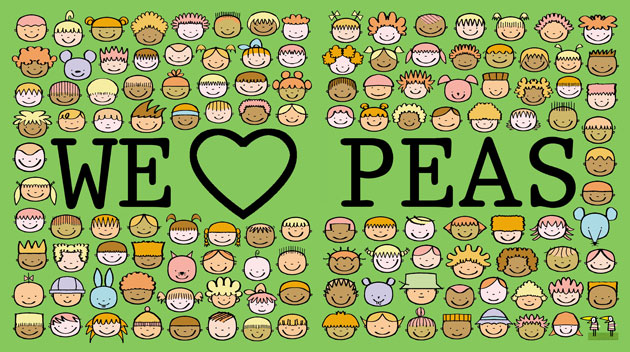
Peas! by Andy Cullen,
illustrated by Simon Rickerty
(Best emerging illustrator award shortlist)

The Guardian
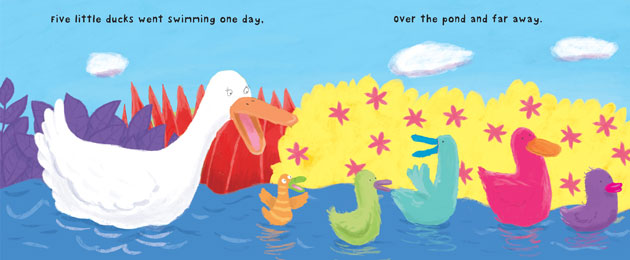
Five Little Ducks
by Francesca Stich & Jemima Lumley,
illustrated by Jason Chapman
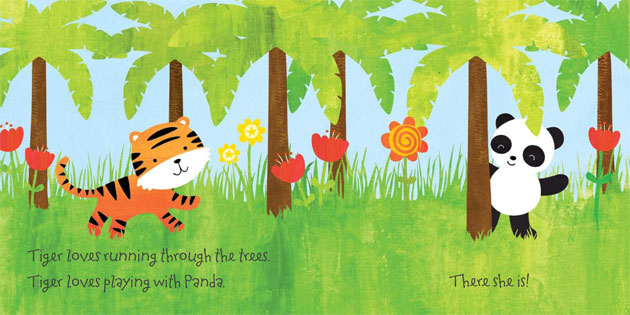
Baby Loves: Tiger
by Claire Dowe
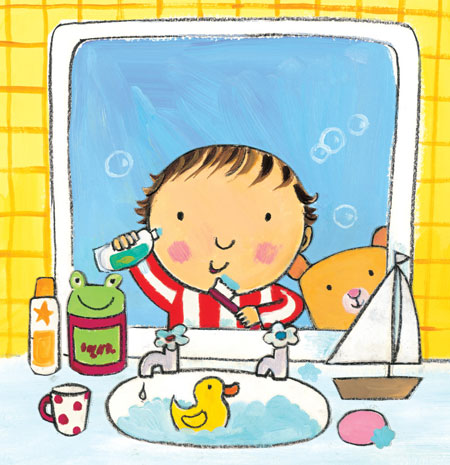
The Big Night-Night Book
by Georgie Birkett
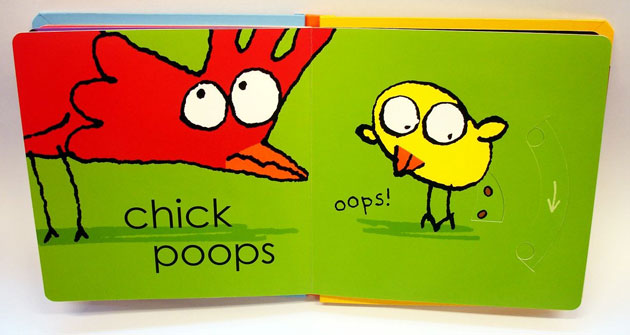
Chick by Ed Vere
(winner of the Baby Book Award)
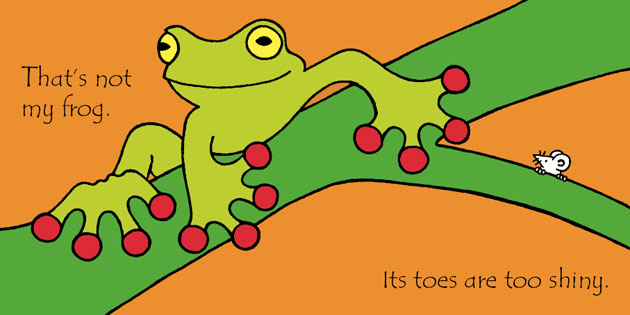
That’s Not My Frog… by Fiona Watt, illustrated by Rachel Wells
Baby’s Very First Outdoors Book
by Stella Baggott
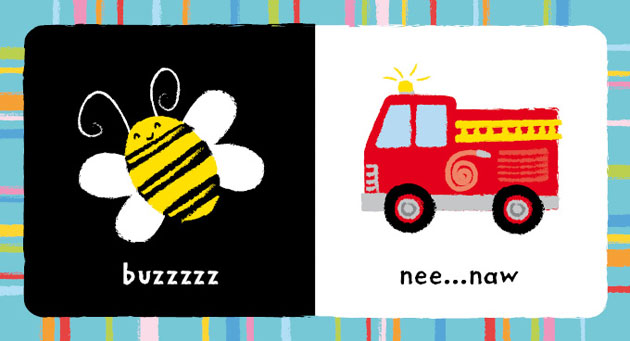
illustrated by Simon Rickerty
(Best emerging illustrator award shortlist)
The Guardian
sábado, 10 de outubro de 2009
Concerto para Bebés: Sons para Bebés Surdos

CONCERTO PARA BEBÉS: SONS PARA BEBÉS SURDOS
Um projecto de Paulo Lameiro
Um projecto de Paulo Lameiro
Solista Convidado: Sérgio Nogueira
Instrumento: Multi-Percussões
Instrumento: Multi-Percussões
O som é tão precioso ao ser humano que usa múltiplas formas de se fazer ouvir. Em Outubro vamos ter um concerto a pensar nos bebés e crianças que ouvem os sons “por dentro”. Por isso escolhemos as percussões, e em especial algumas percussões graves, para nos ajudarem a sentir a música com o corpo todo. Vai ajudar-nos o percussionista Sérgio Nogueira, mas também todos os adultos que envolverão os seus bebés em grandes balões!
Surpresa…
Os Concertos para Bebés são uma produção portuguesa pioneira no domínio das artes performativas para a primeira infância. Tiveram início em Novembro de 1998 numa cidade no centro de Portugal, Leiria, e é seu autor o professor e musicólogo Paulo Lameiro. Têm a sua origem no trabalho com bebés desenvolvido pela Escola de Artes SAMP, desde 1991, no programa Berço das Artes e são fortemente inspirados pela Teoria de Aprendizagem Musical do professor e pedagogo norte-americano Edwin Gordon.
Depois de percorrerem as principais salas de concerto portuguesas são actualmente projectos residentes no Centro Cultural Olga Cadaval, em Sintra, no Teatro Miguel Franco, em Leiria, e na Casa da Música, no Porto, onde se apresentam com 70 concertos anuais.
Depois de percorrerem as principais salas de concerto portuguesas são actualmente projectos residentes no Centro Cultural Olga Cadaval, em Sintra, no Teatro Miguel Franco, em Leiria, e na Casa da Música, no Porto, onde se apresentam com 70 concertos anuais.
Indicado para crianças dos 3 meses aos 3 anos
Preços
Adulto + bebé até 18 meses (40 lugares em almofadas): 12,50 euros
Adulto + bebé dos 19 aos 47 meses (30 lugares em almofadas): 12,50 euros
Público com mais de 47 meses (lugares em cadeiras): 10,00 euros
Sem Descontos.
Aos bebés até aos 47 meses só será permitida a assistência com bilhetes de almofada.

sexta-feira, 9 de outubro de 2009
Great fairytales
Starting this weekend in the Guardian and the Observer, Great fairytales brings you the finest stories of morality, justice, triumph and enchantment from around the world, collected in seven themes: Wicked parents, Rags to riches, Love, Quests and riddles, Wisdom and folly, Justice and punishment and Beastly tales.
The stories are all nominated by a panel of critics, writers and experts on children's literature: Anthony Browne, AS Byatt, Abdulrazak Gurnah, Robert Irwin, Alison Lurie, Adam Phillips, Philip Pullman, Salman Rushdie and Marina Warner.
Each collection is beautifully illustrated and includes an afterword from a range of leading writers exploring each theme.
Begin on Saturday with Wicked Parents which features Hansel and Gretel, Snow White and The Tale of the Juniper Tree.

quinta-feira, 8 de outubro de 2009
O leão Christian em livro e em Português (edit)

e agora divulgamos também a sua história
em livro traduzido para Português.
Tradução de Manuela Madureira
para a Editorial Presença
segunda-feira, 5 de outubro de 2009
Saki em castelhano


Diz-nos Alba Marina Rivera, a ilustradora:
El contador de cuentos has been awarded the 2009 BolognaRagazzi Award for New Horizons. The Ragazzi Award is among the most prestigious international awards conferred each year in the world of children’s book publishing.
NEW HORIZONS WINNER
EKARÉ – Caracas, Venezuela
EL CONTADOR DE CUENTOS
text by Saki, illustrations by Alba Marina Rivera
EKARÉ – Caracas, Venezuela
EL CONTADOR DE CUENTOS
text by Saki, illustrations by Alba Marina Rivera
The Jury first of all considered the courage shown by illustrator Alba Marina Rivera in tackling Saki’s little masterpiece, one of the most acute and disturbing modern short stories ever. Despite the daunting task, the illustrator shows no inhibitions, uncertainties, doubts or fears. Rather she portrays the many emotions in the story – shock, irony, boredom, disgust and expectation – with masterly strokes, capturing with great visual clarity the atmosphere that reigns in the railway carriage. For this is the scene of a veritable clash between two educational concepts, two moral options and perhaps indeed two worldviews. The aunt, storyteller and children are drawn with allusive elegance, the emotional undercurrents of each scene clearly visible. With her exquisite line work, the illustrator places Saki’s storyteller firmly in the realms of the fantastic. The innovative yet elegant book jacket completes a wholly enjoyable visual presentation.
Graças ao Papel de Lustro, outra vez ;)
Livros e Bichos
Os animais são o tema mais constante e universal da literatura para crianças. Fazem coisas que não estão ao alcance das personagens humanas, eliminam estereótipos raciais e sociais, acolhem com segurança as emoções infantis. Neles reconhecemos as nossas origens e lembramos essa linguagem ancestral em que o instinto se fazia ouvir.
Na Revista Notícias Magazine de ontem, Aprender com Manawee, de Carla Maia de Almeida, de cujo blogue retiro capas de livros recomendados, que ainda não temos cá em casa e que queremos ter ;)
E sublinho uma expressão que vamos adoptar como nossa, animais da espécie inventada :)


Os Animais Fantásticos
José Jorge Letria (texto)
André Letria (ilustrações)
Ambar
O centauro, o dragão, a salamandra, o lobisomem, a serpente marinha, o ogre, o ciclope… Estes animais (ou quase animais) são da espécie inventada e também têm as suas histórias para contar. Sem dúvida, um dos melhores livros da dupla Letria, pai e filho.
José Jorge Letria (texto)
André Letria (ilustrações)
Ambar
O centauro, o dragão, a salamandra, o lobisomem, a serpente marinha, o ogre, o ciclope… Estes animais (ou quase animais) são da espécie inventada e também têm as suas histórias para contar. Sem dúvida, um dos melhores livros da dupla Letria, pai e filho.
terça-feira, 29 de setembro de 2009


sábado, 26 de setembro de 2009
quinta-feira, 24 de setembro de 2009


Baby Echidna

Telegraph

segunda-feira, 21 de setembro de 2009
The days when children were taught to write properly are long gone. Does it matter? Yes, says Umberto Eco
Recently, two Italian journalists wrote a three-page newspaper article (in print, alas) about the decline of handwriting. By now it's well-known: most kids – what with computers (when they use them) and text messages – can no longer write by hand, except in laboured capital letters.
In an interview, a teacher said that students also make lots of spelling mistakes, which strikes me as a separate problem: doctors know how to spell and yet they write poorly; and you can be an expert calligrapher and still write "guage" or "gage" instead of "gauge".
I know children whose handwriting is fairly good. But the article talks of 50% of Italian kids – and so I suppose it is thanks to an indulgent destiny that I frequent the other 50% (something that happens to me in the political arena, too).
The tragedy began long before the computer and the cellphone.
My parents' handwriting was slightly slanted because they held the sheet at an angle, and their letters were, at least by today's standards, minor works of art. At the time, some – probably those with poor hand- writing – said that fine writing was the art of fools. It's obvious that fine handwriting does not necessarily mean fine intelligence. But it was pleasing to read notes or documents written as they should be.
My generation was schooled in good handwriting, and we spent the first months of elementary school learning to make the strokes of letters. The exercise was later held to be obtuse and repressive but it taught us to keep our wrists steady as we used our pens to form letters rounded and plump on one side and finely drawn on the other. Well, not always – because the inkwells, with which we soiled our desks, notebooks, fingers and clothing, would often produce a foul sludge that stuck to the pen and took 10 minutes of mucky contortions to clean.
The crisis began with the advent of the ballpoint pen. Early ballpoints were also very messy and if, immediately after writing, you ran your finger over the last few words, a smudge inevitably appeared. And people no longer felt much interest in writing well, since handwriting, when produced with a ballpoint, even a clean one, no longer had soul, style or personality.
Why should we regret the passing of good handwriting? The capacity to write well and quickly on a keyboard encourages rapid thought, and often (not always) the spell-checker will underline a misspelling.
Although the cellphone has taught the younger generation to write "Where R U?" instead of "Where are you?", let us not forget that our forefathers would have been shocked to see that we write "show" instead of "shew" or "enough" instead of "enow". Medieval theologians wrote "respondeo dicendum quod", which would have made Cicero recoil in horror.
The art of handwriting teaches us to control our hands and encourages hand-eye coordination.
The three-page article pointed out that writing by hand obliges us to compose the phrase mentally before writing it down. Thanks to the resistance of pen and paper, it does make one slow down and think. Many writers, though accustomed to writing on the computer, would sometimes prefer even to impress letters on a clay tablet, just so they could think with greater calm.
It's true that kids will write more and more on computers and cellphones. Nonetheless, humanity has learned to rediscover as sports and aesthetic pleasures many things that civilisation had eliminated as unnecessary.
People no longer travel on horseback but some go to a riding school; motor yachts exist but many people are as devoted to true sailing as the Phoenicians of 3,000 years ago; there are tunnels and railroads but many still enjoy walking or climbing Alpine passes; people collect stamps even in the age of email; and armies go to war with Kalashnikovs but we also hold peaceful fencing tournaments.
It would be a good thing if parents sent kids off to handwriting schools so they could take part in competitions and tournaments – not only to acquire grounding in what is beautiful, but also for psychomotor wellbeing. Such schools already exist; just search for "calligraphy school" on the internet. And perhaps for those with a steady hand but without a steady job, teaching this art could become a good business.

Click here to get Amazing Handwriting Worksheets
sexta-feira, 18 de setembro de 2009
Seven not-so-secret secrets for parenting girls

Children are what we say they are. Begin now to take every opportunity to inform your daughter of her strengths. She will view herself as you view her. Send messages of self-confidence and heartiness.
Secret #2: Promote Independence
Encourage your daughter to do for herself and to try new challenges. Continue to send messages of strength. She will grow to learn that she is capable of doing anything.
Encourage your daughter to do for herself and to try new challenges. Continue to send messages of strength. She will grow to learn that she is capable of doing anything.
Secret #3: Promote Thinking
Parents have a responsibility to teach their daughters to think. Ask them questions. By questioning, praising, and probing you will help your daughter sharpen her ideas, refine her thinking, learn to express her opinions, value her intelligence and achieve more.
Parents have a responsibility to teach their daughters to think. Ask them questions. By questioning, praising, and probing you will help your daughter sharpen her ideas, refine her thinking, learn to express her opinions, value her intelligence and achieve more.
Secret #4: Promote Learning
No matter what a girl's age it's important to encourage her to learn. Read together about important things. Read about active, hearty females. Read about women inventors, artists, and writers. Read about women in leadership. Read about some great women role models here and here.
No matter what a girl's age it's important to encourage her to learn. Read together about important things. Read about active, hearty females. Read about women inventors, artists, and writers. Read about women in leadership. Read about some great women role models here and here.
Secret #5: Promote Education
Do not allow your daughter the opportunity not to choose education. Frame your conversations with her about her future with expectations of higher education. Teach early that college follows high school. Enough said.
Do not allow your daughter the opportunity not to choose education. Frame your conversations with her about her future with expectations of higher education. Teach early that college follows high school. Enough said.
Secret #6: Promote Open Career Options
Show your daughter that females can and do select careers in all fields. Point this out whenever you can. Let your daughter know that she can choose what she wants to do. Encourage math and science fields. Read about women in these fields.
Show your daughter that females can and do select careers in all fields. Point this out whenever you can. Let your daughter know that she can choose what she wants to do. Encourage math and science fields. Read about women in these fields.
Secret #7: Promote Awareness
Help your daughter become aware of gender bias. Girls need to recognize it in order to respond to it.
Help your daughter become aware of gender bias. Girls need to recognize it in order to respond to it.
Read more in the e-book and in Wojtalik's emails which you can also sign up for when you download the e-book here.
A synopsis by Ode Magazine
domingo, 13 de setembro de 2009
Why won't feminists admit the pleasure of infants?

(...)
People often compare having a new baby to the early days of a love affair, which is true as far as it goes, but one’s physical fixation on, and craving for, a newborn is much stronger and more intense that that. How often in a love affair can you literally find yourself in tears because you were away from a man for three hours?
Read all at Double X
Subscrever:
Mensagens (Atom)
